
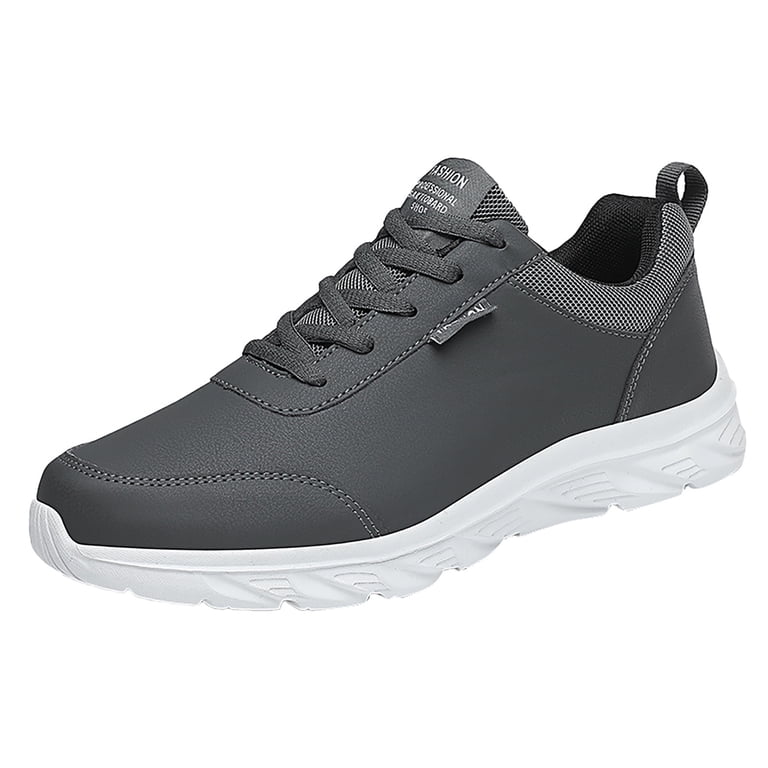
Sports Shoes for Men: How to Choose the Right Pair
The right sports shoes can make exercise more comfortable, support your movement and help you get more from your training. But no single pair is ideal for every activity. Running, gym workouts, court sports and everyday walking all place different demands on your feet, so it’s worth choosing shoes that suit how you plan to use them.
Match your shoes to your activity
Running shoes are designed for repeated forward movement. Look for a comfortable fit, good cushioning and a sole that suits the surfaces you run on. Road-running shoes are generally made for firm pavements, while trail-running shoes often have a more grippy outsole for uneven ground.
Training shoes are a versatile option for gym sessions that involve weights, machines and varied movements. Many have a stable base for lifting and enough flexibility for exercises such as lunges or fitness classes. If your workouts include a lot of running, a dedicated running shoe may be more suitable.
Court shoes are made for sports such as tennis, badminton and basketball. They often provide extra support for quick changes of direction and lateral movement. Choose a pair designed for your sport and the type of court you use.
Walking shoes prioritise lasting comfort and support for everyday steps. If you spend long periods on your feet, consider cushioning, breathability and a fit that remains comfortable throughout the day.
What to look for in a good fit
Sports shoes should feel secure without pinching. Your toes need room to spread, and your heel should stay in place without rubbing. Try shoes on with the socks you expect to wear for exercise, and check both feet, as they may differ slightly in size.
Feet can swell during activity, so it can help to try shoes on later in the day. Walk around the shop or at home before committing, and pay attention to any pressure points. A shoe that feels uncomfortable from the start is unlikely to become a good fit with more wear.
Cushioning, support and grip
The amount of cushioning you need depends on your activity and personal preference. More cushioning can feel comfortable for longer runs or walks, while a firmer, more stable sole may suit gym training and weightlifting. The best choice is the one that feels comfortable and appropriate for your movement.
Grip matters too. Check that the outsole is suitable for the surfaces you use, whether that’s a treadmill, road, grass or indoor court. For outdoor training, a durable tread can help provide traction, while indoor sports shoes should be suitable for the court surface.
When should you replace sports shoes?
There is no exact replacement schedule for every pair. How quickly shoes wear out depends on how often you use them, the activity and the surfaces you train on. Signs that it may be time for a new pair include worn tread, damaged materials, reduced cushioning or discomfort that wasn’t there before.
Choose with confidence
When shopping for sports shoes for men, start with your main activity, then consider fit, comfort, support and durability. A well-chosen pair can make training feel more enjoyable and help you move with confidence—whether you’re heading out for a run, working out at the gym or staying active day to day.
Top 5 Tips for Choosing the Perfect Men’s Sports Shoes
- Choose trainers designed for your sport.
- Get a snug fit with room for your toes.
- Try them on with your sports socks.
- Replace worn-out trainers to keep good support.
- Pick breathable materials for comfort.
Choose trainers designed for your sport.
Choose trainers designed for your sport, as different activities place different demands on your feet. Running shoes are built for forward movement and cushioning, while gym trainers often offer a steadier base for lifting and varied workouts. Court-sport shoes are designed to support quick turns and side-to-side movement. Picking a pair suited to your activity can improve comfort, grip and stability while you train.
Get a snug fit with room for your toes.
Choose sports shoes that feel secure around your heel and midfoot, but leave enough space for your toes to spread and move comfortably. Your toes shouldn’t press against the front or sides, especially as feet can swell during exercise. Try shoes on with your usual sports socks and walk around to check for rubbing, pressure or slipping before you buy.
Try them on with your sports socks.
Try sports shoes on with the socks you’ll wear for training, as their thickness can affect the fit. This helps you check that your toes have enough room, your heel feels secure and the shoes remain comfortable without pinching or rubbing.
Replace worn-out trainers to keep good support.
Replace worn-out trainers to maintain the support and comfort your feet need during exercise. Over time, cushioning can compress and the tread can wear down, making shoes less stable and grippy. Check your trainers regularly for uneven soles, visible damage or new discomfort, and replace them when they no longer feel supportive.
Pick breathable materials for comfort.
Choose sports shoes made with breathable materials, such as mesh uppers, to help air circulate around your feet during exercise. Better ventilation can reduce heat and moisture build-up, keeping your feet feeling cooler and more comfortable, especially during longer workouts or in warm weather. Check that the shoes still provide the support and durability you need for your chosen activity.