
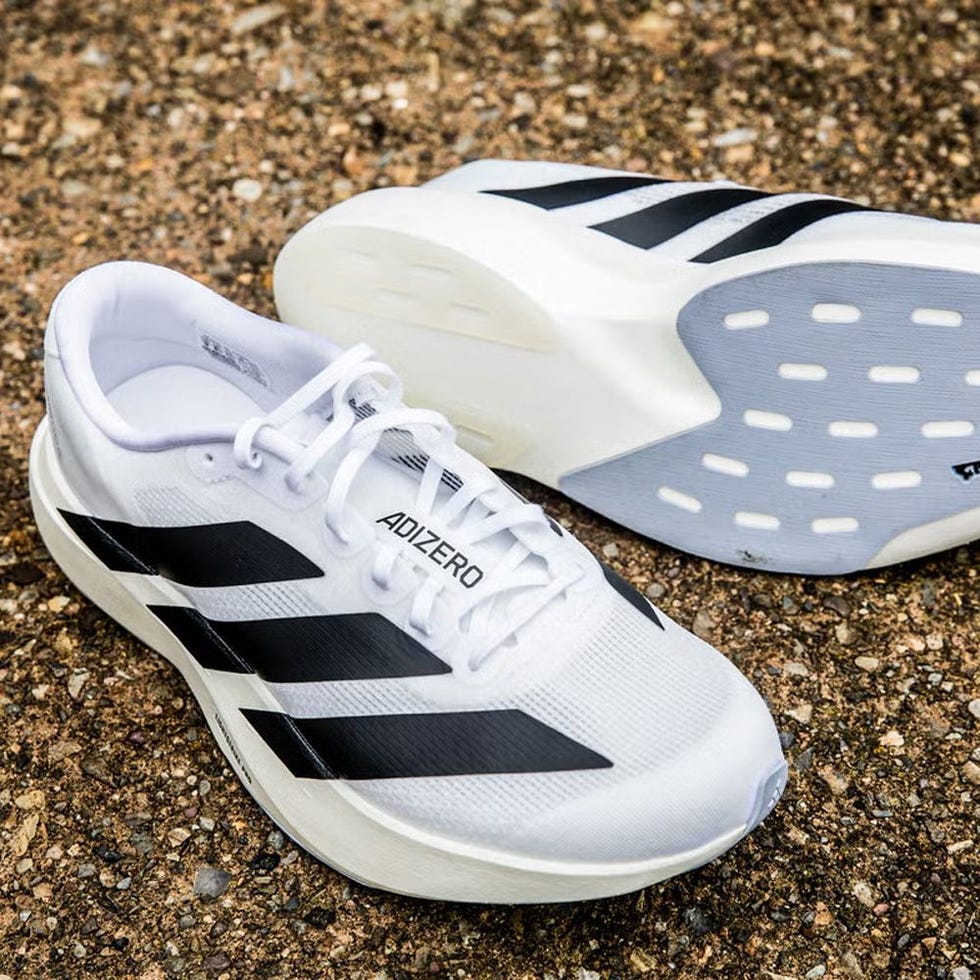
Adidas Training Shoes: Finding the Right Pair for Your Workout
The right training shoes can make a real difference to how comfortable and confident you feel during a workout. Adidas training shoes are designed for a range of activities, from weight training and gym circuits to studio classes and short bursts of cardio. Choosing the best pair depends on how you exercise, the support you prefer and how the shoes fit.
What are training shoes designed for?
Training shoes are made for varied movement. Unlike many running shoes, which are built primarily for forward motion, trainers for gym workouts often focus on stability and flexibility for movements in several directions. This can be useful for exercises such as lunges, squats, step-ups and agility drills.
Adidas offers different designs across its training and sports ranges, so features vary between models. Some prioritise a stable feel underfoot, while others are lighter and more flexible for dynamic workouts. Check the product details to see what each pair is intended for.
Choosing training shoes for your activity
- Weight training: Look for a secure fit and a stable base that feels comfortable when lifting. If you regularly perform heavy lifts, consider whether a specialist lifting shoe is more suitable.
- Gym circuits and classes: A versatile pair with a secure upper and good grip can suit workouts that involve changing direction and moving between exercises.
- Cardio sessions: For treadmills or longer runs, running shoes may provide a more suitable design and cushioning. Training shoes are generally intended for mixed gym movements rather than dedicated distance running.
- Studio workouts: Flexibility and comfort may matter most for dance-inspired classes or other sessions with frequent foot movement. Check that the sole offers suitable grip for your studio surface.
Fit and comfort matter
A training shoe should feel secure without pinching or rubbing. Try both shoes on and check for enough room to move your toes. Your heel should feel held in place, and the shoe should not slide around during side-to-side movements.
If possible, try shoes on later in the day, when feet may be slightly larger. Wear the socks you expect to use for training, and walk or move around in the shoes before deciding. Sizing and fit can differ between models, so use the brand’s size guide and check the return policy before ordering online.
Features to consider
- Stability: A supportive, steady feel can be helpful for controlled gym movements.
- Cushioning: Cushioning affects comfort, but more is not automatically better for every workout. Consider the activities you do most often.
- Grip: The outsole should feel appropriate for the surfaces where you train.
- Upper construction: A breathable upper can help with comfort, while a secure fit can support quick changes of direction.
- Durability: Frequent training places wear on the sole and upper. Inspect your shoes regularly and replace them when they no longer feel supportive or secure.
How to care for your training shoes
Allow shoes to air out after workouts and remove loose dirt with a soft brush or damp cloth. Follow the care instructions for the specific model, as materials differ. Avoid putting shoes in a washing machine or using direct heat unless the manufacturer’s guidance says it is safe. Using your training shoes mainly for exercise can also help limit everyday wear.
Make your choice based on how you train
The best adidas training shoes are the ones that suit your routine and feel comfortable on your feet. Think about the movements you perform most, compare the features of different models and take time to check the fit. For activities such as distance running or specialist lifting, a shoe designed specifically for that purpose may be a better option.
Top 5 Tips for Selecting the Perfect Adidas Training Shoes
- Choose a snug fit with room for your toes.
- Match the shoe to your training style.
- Look for cushioning that feels comfortable.
- Check the outsole for reliable grip.
- Try them on with your usual training socks.
Choose a snug fit with room for your toes.
Choose adidas training shoes that feel snug and secure around your heel and midfoot, without pinching or rubbing. There should still be enough room at the front for your toes to spread and move naturally, especially during exercises that involve jumping or changing direction. If your toes feel cramped or your foot slides around, try a different size or style.
Match the shoe to your training style.
Match your adidas training shoes to the way you exercise. For weight training, look for a stable, secure feel; for circuits and classes, choose a versatile pair that supports movement in different directions. If you focus on running, a dedicated running shoe may be more suitable, while studio workouts may call for flexibility and reliable grip. Consider your usual activities first, then check each shoe’s features and fit to find the right match.
Look for cushioning that feels comfortable.
When choosing adidas training shoes, look for cushioning that feels comfortable for the way you train. The right amount can help make gym sessions feel more pleasant, whether you’re doing circuits, cardio or strength exercises. Cushioning preferences vary, so try the shoes on and walk around in them to check they feel supportive without being too soft or unstable.
Check the outsole for reliable grip.
Check the outsole for reliable grip, especially if your workouts involve quick changes of direction, lunges or side-to-side movements. A sole that feels secure on your usual gym floor can help you stay steady through each exercise. Grip patterns and rubber compounds vary between adidas training shoes, so consider where you train and check the product details before choosing a pair.
Try them on with your usual training socks.
Try adidas training shoes on with the socks you usually wear for training, as their thickness can affect the fit and feel. This helps you check that your toes have enough room, your heel feels secure and the shoes remain comfortable when you move. If you plan to wear thicker or cushioned socks for workouts, be sure to test the shoes with those too.