
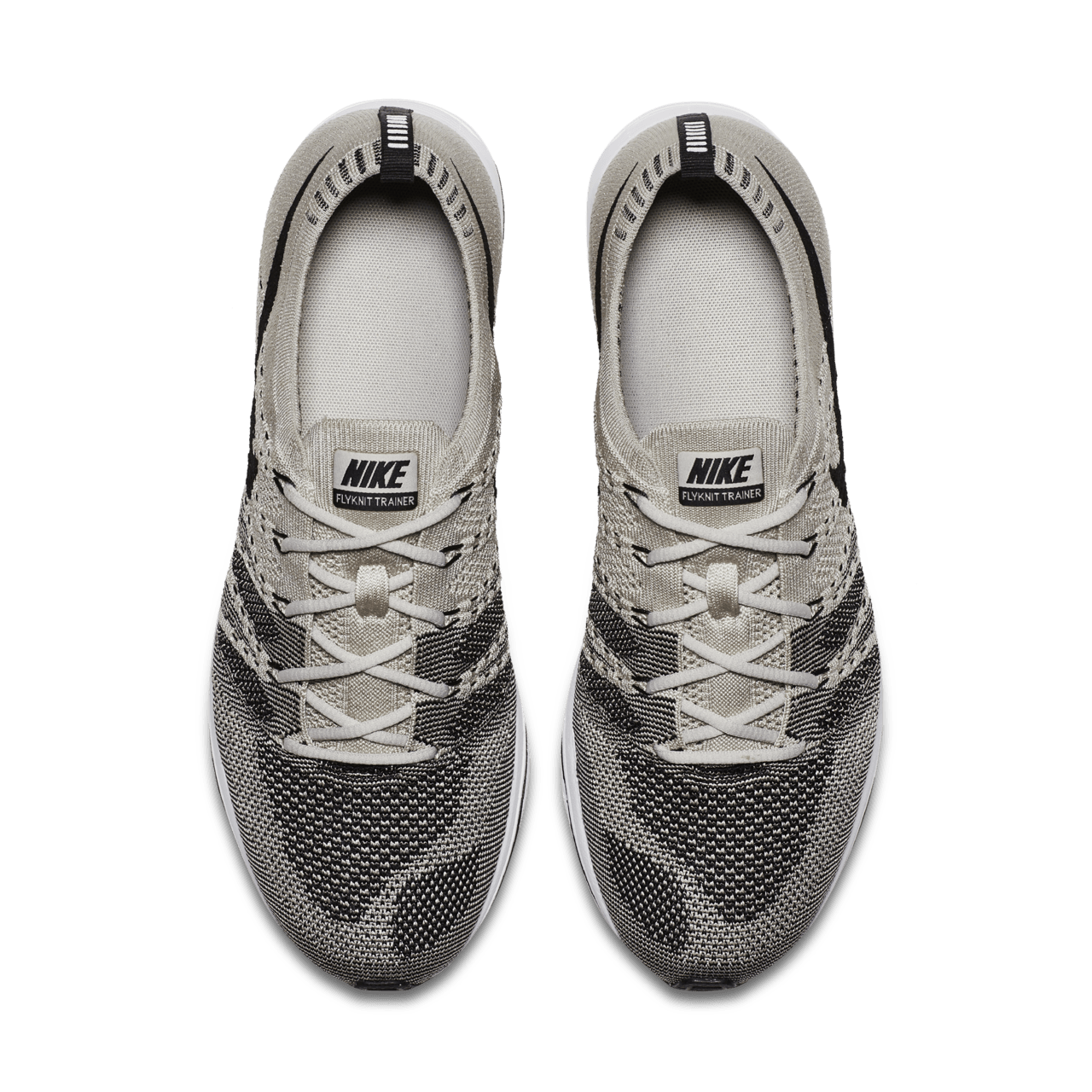
The Flyknit Trainer: lightweight design with lasting appeal
The Nike Flyknit Trainer is a distinctive running shoe that has found a place in both sportswear and everyday style. Known for its knitted upper and streamlined shape, it brings together a performance-inspired design and a look that works just as well beyond the track.
What is Nike Flyknit?
Flyknit is Nike’s knitted upper construction, designed to create a lightweight, close-fitting feel. The material is made from knitted yarn, with different areas shaped to provide varying levels of support and breathability. This approach gives the Flyknit Trainer its recognisable texture and helps reduce the need for multiple layers of fabric.
Details can vary between releases, but Flyknit Trainer models typically combine the knitted upper with supportive features around the foot and a cushioned sole. These elements reflect the shoe’s roots in running, while its clean profile has helped it become popular as a casual trainer too.
A running-inspired design
The Flyknit Trainer emerged during a period of experimentation with lighter running footwear. Its upper is designed to move with the foot, while the shape keeps the overall look simple and streamlined. The result is a shoe that feels notably different from traditional trainers made with heavier, layered uppers.
Although the model has a performance heritage, comfort and fit depend on the particular version and the wearer. If you’re considering a pair for running, check the specifications and suitability of that release for your needs. For everyday wear, the lightweight build and distinctive knitted finish are key parts of its appeal.
How to style a Flyknit Trainer
The Flyknit Trainer’s understated shape makes it easy to pair with everyday clothing. Wear it with jeans, relaxed trousers or shorts for a casual look, or combine it with sportswear for a more athletic outfit. Neutral colourways are versatile, while brighter versions can add a focal point to a simple ensemble.
Fit and care
Fit can differ between models, and knitted uppers may feel different from more structured trainers. Try the shoes on where possible, or check the retailer’s sizing guidance before ordering. Make sure there is enough room around the toes and that the heel feels secure.
To care for a Flyknit Trainer, brush away loose dirt with a soft brush and clean the upper gently with a cloth, cool water and mild soap. Avoid harsh chemicals and high heat, which may affect the materials. Always follow the care instructions supplied with your pair.
A modern classic
With its lightweight knitted construction and running-inspired lines, the Flyknit Trainer remains a memorable design in contemporary sportswear. Whether you’re drawn to its technical origins, its distinctive texture or its everyday versatility, it offers a different take on the classic trainer.
9 Essential Tips for Choosing and Caring for Your Flyknit Trainers
- Choose a snug fit without pinching your toes.
- Try them on with your usual sports socks.
- Check the sole suits your activity.
- Wear them in gradually before long sessions.
- Brush off dirt with a soft, dry brush.
- Spot-clean the knit with mild soap and cool water.
- Avoid bleach and harsh detergents.
- Air-dry them away from radiators and direct heat.
- Replace them when the sole or support is worn.
Choose a snug fit without pinching your toes.
When choosing a Flyknit Trainer, aim for a snug fit that holds your foot securely without squeezing it. The knitted upper should feel comfortable and supportive, with enough room for your toes to move naturally. If your toes feel cramped or pressed against the front, try a different size or fit.
Try them on with your usual sports socks.
Try the Flyknit Trainer on with the sports socks you usually wear, as their thickness can affect the fit. Check that your toes have room to move, the upper feels comfortable and secure, and your heel doesn’t slip when you walk.
Check the sole suits your activity.
Check that the sole suits the activity you have in mind. A Flyknit Trainer designed for everyday wear may not offer the grip, cushioning or support needed for running or other sports, so look at the model’s specifications and choose footwear suited to the surface and intensity of your activity.
Wear them in gradually before long sessions.
Wear your Flyknit Trainers in gradually before taking them on a long run or spending a full day in them. Start with shorter, comfortable outings to let your feet adjust to the fit and feel of the knitted upper. If you notice rubbing or discomfort, give your feet a rest and check that the trainers are the right size before increasing how long you wear them.
Brush off dirt with a soft, dry brush.
To keep your Flyknit Trainer looking its best, gently brush away loose dirt with a soft, dry brush. Use light strokes to avoid snagging or damaging the knitted fibres, paying particular attention to seams and textured areas.
Spot-clean the knit with mild soap and cool water.
To keep your Flyknit Trainer looking fresh, spot-clean the knitted upper with a soft cloth or brush, mild soap and cool water. Work gently on marks rather than scrubbing, which can damage the fibres or affect the fabric’s texture. Wipe away any soap residue with a clean, damp cloth, then leave the trainers to air-dry naturally, away from direct heat.
Avoid bleach and harsh detergents.
Avoid bleach and harsh detergents when cleaning your Flyknit Trainer, as they can damage the delicate knitted fibres and affect the shoe’s colour or texture. Instead, use a soft cloth or brush with cool water and a small amount of mild soap, then let the trainers air-dry away from direct heat.
Air-dry them away from radiators and direct heat.
After cleaning your Flyknit Trainers, let them air-dry naturally in a well-ventilated place. Keep them away from radiators and direct heat, as high temperatures can damage the knitted fabric, affect the shape and weaken adhesives. Avoid tumble-drying them, too, and allow plenty of time for them to dry fully before wearing.
Replace them when the sole or support is worn.
Replace your Flyknit Trainers when the sole has worn smooth, cushioning feels reduced or the support no longer feels secure. Worn-out shoes may be less comfortable and stable, so check them regularly—especially if you use them for running or frequent walks.