
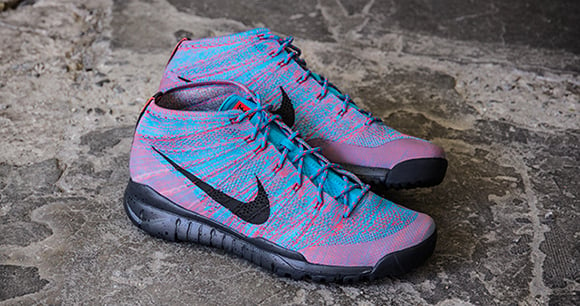
Nike Flyknit Trainer: Lightweight Design with Lasting Appeal
The Nike Flyknit Trainer is a running-inspired trainer recognised for its lightweight build and distinctive knitted upper. First introduced in 2012, it helped bring Nike Flyknit technology into the spotlight, combining a streamlined look with a design made for movement. Since then, the shoe has found an audience beyond running, becoming a popular choice for everyday wear and streetwear styling.
What is Flyknit?
Nike Flyknit is a knitting technique used to create a shoe’s upper from yarn. Rather than using several separate fabric panels, the upper is knitted into a lightweight structure with areas designed to offer different levels of support and flexibility. This creates the Flyknit Trainer’s distinctive appearance, while helping it feel close-fitting and breathable.
The exact feel can vary between releases, but the shoe is generally known for its flexible construction and low-profile shape. Its streamlined design also gives it a recognisable look, with contrasting patterns and colours appearing across different versions.
Comfort and everyday wear
The Flyknit Trainer was developed with running in mind, but many people wear it as a casual trainer. Its lightweight feel can make it a comfortable option for day-to-day use, while the knitted upper offers more flexibility than many traditional, heavily structured uppers.
As with any trainer, comfort depends on fit and personal preference. The Flyknit upper may feel snug, so it is worth checking the sizing guidance for the particular release you are considering. If possible, try the shoes on and make sure there is enough room around the toes without the heel slipping.
How to style the Nike Flyknit Trainer
The shoe’s clean profile makes it easy to pair with casual outfits. Wear it with jeans, joggers or shorts for a relaxed look, or use a brighter colourway to add a focal point to a simple outfit. More understated versions can work well with neutral colours and everyday basics.
Looking after your Flyknit Trainers
Knitted uppers benefit from gentle cleaning. Remove loose dirt with a soft brush, then use a small amount of mild soap and cool water on a cloth. Avoid harsh cleaners and vigorous scrubbing, which may damage the fibres. Allow the shoes to air-dry naturally, away from direct heat. Always check the care instructions supplied with your pair.
A distinctive part of Nike’s running-inspired design
The Nike Flyknit Trainer stands out for bringing lightweight knitted construction together with a simple, athletic silhouette. Its blend of performance heritage and everyday versatility has helped it remain a recognisable style long after its original launch. Whether chosen for its comfort, its design or its place in sneaker history, the Flyknit Trainer continues to appeal to people who appreciate a lighter, more flexible alternative to traditional trainers.
Nike Flyknit Trainers: 7 Frequently Asked Questions Answered
- Are Nike Flyknit trainers good for running?
- What is Nike Flyknit used for?
- Will Nike bring back flyknit?
- Which is better, Flyknit or mesh?
- Is Nike Flyknit still a thing?
- What is flyknit in Nike?
- What are the benefits of flyknit?
Are Nike Flyknit trainers good for running?
Nike Flyknit trainers can be suitable for running, particularly for shorter or more casual runs, as their knitted uppers are lightweight and breathable. However, cushioning, support and fit vary between models, and the Flyknit Trainer is an older design rather than a current specialist running shoe. For regular or longer-distance running, choose a pair that suits your gait and offers the cushioning and support you need, and make sure the fit feels secure and comfortable.
What is Nike Flyknit used for?
Nike Flyknit is a knitted material used to make lightweight, flexible shoe uppers. Its construction can be designed with different levels of stretch, support and breathability in specific areas, helping create a close-fitting feel while using less material than some traditional multi-panel designs. In the Nike Flyknit Trainer, it gives the shoe its distinctive textured look and makes it suitable for running-inspired wear and everyday use.
Will Nike bring back flyknit?
Nike has not announced a guaranteed return for every Flyknit Trainer release, so availability depends on the model, colourway and season. However, Flyknit remains part of Nike’s footwear technology and continues to appear in selected shoes. Keep an eye on Nike’s official website and trusted retailers for news of restocks or re-releases.
Which is better, Flyknit or mesh?
Neither Flyknit nor mesh is universally better; it depends on your priorities and the specific shoe. Flyknit typically offers a lightweight, flexible, close-fitting feel, while mesh can provide a more structured fit and, depending on its construction, strong ventilation. Both materials vary between models, so consider how the trainer feels on your foot, how breathable it is and what you’ll use it for before choosing.
Is Nike Flyknit still a thing?
Yes, Nike Flyknit is still part of Nike’s footwear range, although the technology may appear in different models and collections over time. Its lightweight, knitted construction remains popular for its close fit, flexibility and distinctive look. Availability of the Nike Flyknit Trainer itself can vary by colourway, size and retailer, so check Nike’s current range and authorised stockists for the latest options.
What is flyknit in Nike?
Nike Flyknit is a knitting technology used to create lightweight, flexible uppers for trainers. Yarn is knitted into a shaped, one-piece structure, with different areas designed to provide support, stretch or breathability where needed. In the Nike Flyknit Trainer, this construction gives the shoe its distinctive textured look and close-fitting feel.
What are the benefits of flyknit?
Nike Flyknit uses knitted yarn to create a lightweight, flexible upper with different areas designed to provide support and breathability. This can give the shoe a close, sock-like feel while reducing the need for multiple fabric panels. Flyknit uppers are also known for their distinctive texture and streamlined look. The exact fit and comfort can vary between models, so it’s worth trying on a pair to see how it feels.