
Polo Shoes: Style, Comfort and Performance
Polo shoes can mean different things depending on where you encounter them. For players, they are specialist footwear chosen for grip, stability and comfort in the saddle. In everyday fashion, the phrase may describe casual shoes with a polished, sporty look inspired by polo’s heritage. Understanding the difference can help you choose a pair that suits the occasion.
Footwear for playing polo
Traditional polo boots are designed to support the rider during long periods on horseback. They are generally made from durable leather and reach above the ankle, helping to protect the lower leg from rubbing against the saddle and stirrup leathers. A close fit is important: boots should feel secure without restricting movement or circulation.
Riders may also wear jodhpur boots or other suitable riding footwear, depending on their experience, discipline and the requirements of their club. The right choice should allow the foot to sit safely in the stirrup. Before playing, check that the heel and sole are appropriate for riding, and ask an instructor or experienced player for guidance.
Everyday polo-inspired shoes
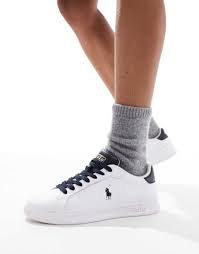
Outside the sport, polo-inspired shoes usually refer to casual styles with a neat, sporty appearance. Options may include trainers, canvas shoes, loafers or leather lace-ups. They often pair well with jeans, chinos and casual shirts, making them a versatile choice for everyday wear.
When comparing casual shoes, look beyond the design. Consider the materials, cushioning, fit and sole. Leather can offer a smart finish, while canvas and other lightweight fabrics may feel more relaxed. A supportive footbed and a well-fitting shape can make a noticeable difference if you plan to wear the shoes throughout the day.
How to choose the right pair
- Think about the purpose: riding boots and fashion trainers are made for different activities and should not be treated as interchangeable.
- Check the fit: shoes should feel secure without pinching or rubbing. Try them on with the socks you expect to wear.
- Consider the conditions: leather may need regular care, while some fabric styles are easier to wear in dry, mild weather.
- Look at the sole: choose a sole suited to the surface and activity. For riding, follow the advice of a qualified instructor or club.
- Choose a style you will wear: neutral colours are easy to coordinate, while brighter designs can add a focal point to an outfit.
Caring for polo shoes
Good care can help footwear last longer. Brush away dry dirt after use and follow the manufacturer’s cleaning instructions. Leather riding boots should be cleaned and conditioned with suitable products, then stored somewhere cool and dry. Allow damp shoes to air naturally rather than placing them beside direct heat, which can damage some materials.
A practical choice for sport or everyday wear
Whether you are looking for proper footwear for the polo field or a smart casual shoe with a sporty feel, the best pair is one that fits its purpose. Prioritise safety and support for riding, and comfort, construction and versatility for everyday use. With the right choice and a little regular care, polo shoes can be a dependable addition to your wardrobe or riding kit.
Essential FAQs About Polo Shoes: Understanding, Choosing, and Caring for Your Footwear
- What are polo shoes?
- What is the difference between polo shoes and polo boots?
- Can you wear ordinary trainers to play polo?
- How should polo riding boots fit?
- What should you look for when buying polo shoes?
- How do you clean and care for polo shoes?
What are polo shoes?
Polo shoes are footwear associated with the sport of polo, though the term can also describe casual shoes with a sporty, polo-inspired look. For playing, riders typically wear sturdy riding boots that support and protect the lower leg and are suitable for use with stirrups. Casual polo-style shoes, such as trainers or loafers, are designed for everyday wear rather than riding.
What is the difference between polo shoes and polo boots?
Polo shoes are generally low-cut footwear, often chosen for casual wear or lighter activities, while polo boots are purpose-made riding footwear that extend above the ankle to help protect and support the lower leg in the saddle. Boots typically offer a more secure fit and are designed to work with riding equipment; ordinary shoes do not provide the same coverage or support and should not be used for playing polo unless they are specifically suitable for riding.
Can you wear ordinary trainers to play polo?
Ordinary trainers are not suitable for playing polo on horseback. They may lack the heel and sole design needed to help keep your foot safely positioned in the stirrup, and they offer little protection from rubbing or impact. Choose proper riding boots or footwear approved by your polo club, and check with an instructor if you are unsure.
How should polo riding boots fit?
Polo riding boots should fit snugly around the foot and calf, providing support without pinching, restricting circulation or causing discomfort. Your heel should sit securely, with only a little movement when you walk, and your toes should have room to move. New leather boots may feel firm at first and soften with wear, but they should never cause pain or rubbing. Try them on with your usual riding socks, and check that they sit comfortably with your stirrups and other riding equipment.
What should you look for when buying polo shoes?
When buying polo shoes, consider how you plan to wear them: specialist riding footwear should provide a secure, comfortable fit and be suitable for use with stirrups, while casual polo-inspired shoes should offer good support for everyday wear. Check the materials, sole, cushioning and construction, and try them on with the socks you intend to wear. For riding, seek advice from a qualified instructor or experienced player to ensure the footwear is appropriate and safe.
How do you clean and care for polo shoes?
To clean and care for polo shoes, first check the manufacturer’s instructions, as methods vary by material. Brush off loose dirt, then wipe the shoes with a soft, damp cloth; use a suitable cleaner for leather or fabric if needed, and avoid soaking them. For leather shoes, apply a compatible conditioner once they’re clean and dry. Let footwear air-dry naturally away from radiators and direct sunlight, then store it in a cool, dry place. Regular cleaning and prompt attention to scuffs or stains can help keep your shoes looking good for longer.