
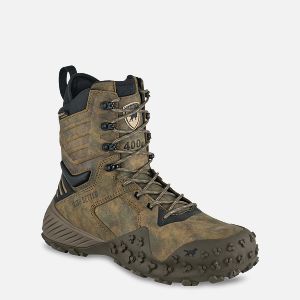
Hunting Boots: How to Choose the Right Pair
The right hunting boots can make long days outdoors more comfortable and help you move confidently over uneven ground. Whether you are walking through woodland, crossing wet fields or travelling over rocky hills, your boots should suit the terrain, weather and length of your outing. A well-chosen pair offers support and protection without restricting movement.
Consider the terrain and conditions
Think about where you will be walking most often. Lightweight boots may suit relatively level ground and milder weather, while more rugged terrain calls for stronger ankle support and a durable sole. For wet conditions, waterproof construction can help keep feet dry, though breathability is also important to reduce the build-up of moisture inside the boot.
Insulated boots are useful in colder conditions, but can feel too warm during active outings or in mild weather. If you need one versatile pair, look for a balance of weather protection, breathability and comfort. For particularly muddy or waterlogged ground, wellington boots may be more practical than walking-style hunting boots.
Fit and support matter
Boots should feel secure around the heel and ankle, with enough room for your toes to move. Try them on with the socks you expect to wear outdoors, ideally later in the day when feet may be slightly larger. Walk around and check for rubbing, pinching or heel lift. A poor fit can lead to discomfort and blisters, especially on longer walks.
Consider the boot’s weight as well. Heavier boots can offer extra protection and stability, but may be tiring over long distances. A lighter pair may feel more comfortable for extended walking, provided it gives enough support for the ground you cover.
Look at the sole and materials
A grippy outsole helps with traction on slippery, muddy or uneven surfaces. Deeper tread can be useful in soft ground, while a more moderate pattern may feel comfortable on firmer paths. Uppers made from leather can be hard-wearing and mould to the foot over time, but usually need regular care. Synthetic materials are often lighter and may dry more quickly, although durability and weather resistance vary between designs.
Breaking in and caring for your boots
Wear new boots on shorter walks before relying on them for a full day outdoors. This gives the materials time to soften and helps you spot any fit issues early. After use, remove mud and debris, let the boots dry naturally away from direct heat, and follow the manufacturer’s advice for cleaning and waterproofing. Leather boots may need a suitable conditioner, while membranes and synthetic materials may require specific care products.
Make a practical choice
Before buying, consider your typical route, the season, the amount of walking involved and the socks you will wear. Check the product’s sizing guidance and care instructions, and prioritise fit over appearance. The best hunting boots are not necessarily the most expensive or the heaviest; they are the pair that provides dependable comfort, protection and grip for the conditions you actually face.
Hunting Boots FAQs: Fit, Breathability, Terrain, Breaking In, Care and Socks
- How should hunting boots fit?
- Are waterproof hunting boots breathable?
- How do I choose hunting boots for different terrain?
- How can I break in new hunting boots?
- How do I clean and care for hunting boots?
- What socks should I wear with hunting boots?
How should hunting boots fit?
Hunting boots should feel secure around your heel and ankle, with no slipping or rubbing, while leaving enough room for your toes to move freely. Try them on with the socks you plan to wear outdoors, preferably later in the day when your feet may be slightly larger. Walk around and check for pressure points, pinching or heel lift. A snug, comfortable fit is important, but boots should not feel tight; allow a little extra room for thicker socks and natural foot movement.
Are waterproof hunting boots breathable?
Yes, many waterproof hunting boots are designed to be breathable as well. They use membranes that help prevent water from getting in while allowing some heat and moisture vapour from your feet to escape. However, breathability varies by material and design, and feet may still feel warm during strenuous activity or in mild weather. Choosing boots suited to the conditions, wearing moisture-wicking socks and allowing the boots to dry fully after use can help keep your feet more comfortable.
How do I choose hunting boots for different terrain?
Choose hunting boots to match the ground and conditions you’ll encounter most often. For muddy or wet terrain, look for waterproof materials, deep tread and a sole that grips well; for rocky, uneven ground, prioritise a supportive fit, sturdy construction and good ankle stability. Lighter boots can be more comfortable for long distances on easier paths, while insulated styles are better suited to cold-weather outings. Whichever type you choose, try them on with your usual outdoor socks and make sure they feel secure without rubbing or restricting your toes.
How can I break in new hunting boots?
Break in new hunting boots gradually before taking them on a long outing. Wear them around the house first, then try a few short walks with the socks you plan to use when hunting. Lace them comfortably and check for rubbing, pressure points or heel slip; adjust the lacing or fit if needed. Follow the manufacturer’s care instructions, particularly for leather boots, and avoid forcing the process with excessive heat, which can damage materials. If discomfort persists, the boots may not be the right fit.
How do I clean and care for hunting boots?
To care for hunting boots, remove mud and debris after each outing with a soft brush or damp cloth, then let them air-dry naturally away from radiators, fires and direct sunlight, which can damage the materials. Take out the insoles and loosen the laces to help them dry thoroughly. Once clean and dry, apply a suitable leather conditioner or waterproofing treatment, following the manufacturer’s instructions; use products designed for the boot’s specific materials and membrane. Store boots in a cool, dry, well-ventilated place, and check them regularly for worn soles, damaged seams or loose laces.
What socks should I wear with hunting boots?
Wear moisture-wicking socks made from merino wool or a suitable synthetic blend to help keep your feet comfortable and reduce rubbing. Choose the thickness to suit the weather and the fit of your boots: thicker socks add warmth in cold conditions, while lighter ones are often better for milder days. Make sure there is enough room for your toes and that the socks sit smoothly without folds, which can cause blisters. Avoid cotton socks, as they tend to hold moisture.