
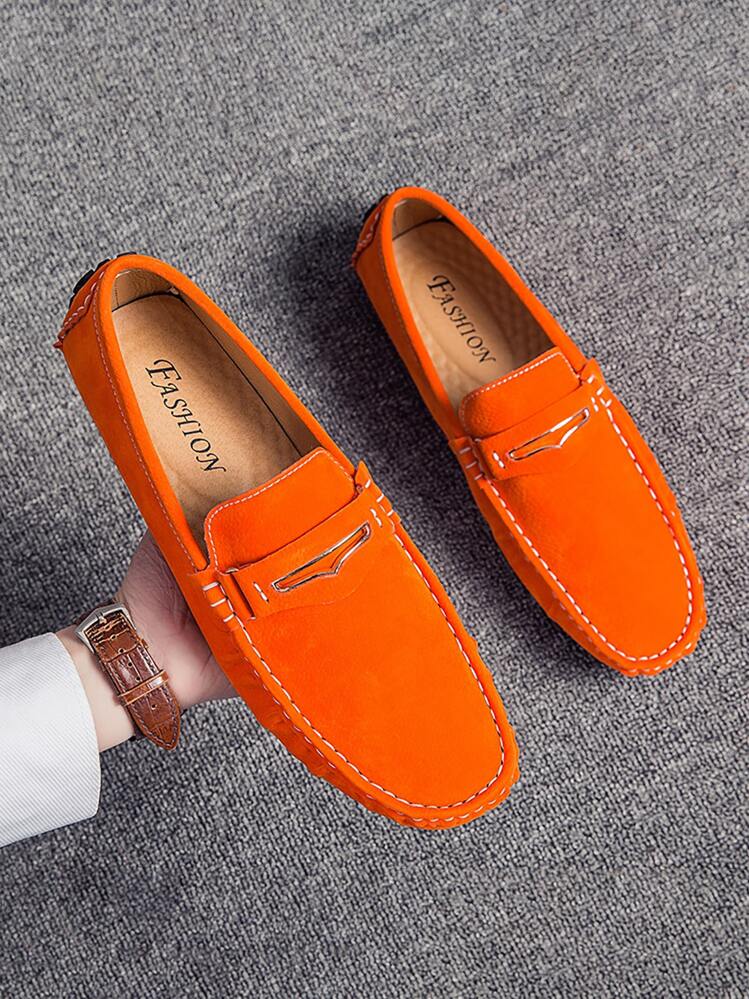
Driving Shoes: Comfort, Grip and Style Behind the Wheel
Driving shoes are designed to make time behind the wheel more comfortable while offering a relaxed, versatile look. Traditionally inspired by motorsport footwear, they are known for their flexible construction and distinctive soles. Today, driving shoes are worn both for driving and as casual footwear, pairing easily with everything from jeans to summer tailoring.
What are driving shoes?
A classic driving shoe is usually a lightweight slip-on, often made from leather or suede. Its most recognisable feature is a flexible rubber sole that may extend up the heel. This design helps the shoe bend with the foot and reduces wear where the heel rests against the car’s footwell.
Styles vary considerably. Some have a simple, understated shape, while others feature laces, decorative stitching, tassels or rubber nubs across the sole. Although the traditional moccasin-inspired design remains popular, modern versions can be more structured and suitable for everyday wear.
Why choose driving shoes?
Flexibility is one of their main advantages. A soft, bendable sole can make it easier to move between the pedals and may provide a more direct feel than a heavy, rigid shoe. Their lightweight construction can also be comfortable during long journeys.
Driving shoes are equally valued for their appearance. They sit somewhere between a casual trainer and a smarter loafer, making them a useful choice for warm-weather outfits, holidays and informal occasions. Suede styles work well with chinos or denim, while smooth leather designs can give an outfit a more polished finish.
What to look for when buying a pair
- A secure fit: The shoe should stay firmly on the foot without pinching. A loose heel can be uncomfortable and may affect pedal control.
- A suitable sole: Look for a sole that is flexible but provides dependable grip. Rubber detailing can offer traction, though patterns and materials differ between designs.
- Comfortable materials: Leather and suede can soften with wear, but the lining, stitching and overall construction also affect comfort.
- The right shape: A relatively slim profile can make it easier to feel the pedals. Avoid footwear that is so narrow or soft that it fails to support the foot comfortably.
- Versatility: If the shoes will be worn away from the car, consider how well the sole and upper will handle regular walking.
Are driving shoes safe to drive in?
The name does not automatically make a shoe suitable for driving. Footwear should fit securely and allow the driver to operate the pedals properly. Very thick soles, slippery materials, high heels, loose footwear or shoes that can catch on a pedal may make control more difficult.
In the UK, drivers must be able to control their vehicle properly. If a particular pair of shoes makes that difficult, choose another pair before setting off. It is also sensible to keep a suitable pair of driving shoes in the car rather than driving in footwear that is wet, unstable or uncomfortable.
How to care for driving shoes
Care depends on the material. Brush suede gently with a suede brush and use a suitable protector to help guard against marks and moisture. For smooth leather, wipe away dirt with a soft cloth and use a leather conditioner when needed. Allow shoes to dry naturally if they become damp, and avoid placing them directly beside a radiator or other strong heat source.
Check the soles periodically, particularly if the shoes are worn for both driving and walking. Rubber nubs and thin soles can wear down over time, reducing grip and comfort.
A practical classic
Driving shoes combine a flexible feel with an easy-to-style design. The best pair is not simply the softest or lightest: it should fit securely, provide suitable grip and feel comfortable both in the car and, if intended, on foot. With the right fit and a little care, driving shoes can be a practical addition to a year-round wardrobe.
Top 5 Benefits of Driving Shoes: Comfort, Style, and Enhanced Control
- Flexible soles can make pedal movement feel more natural.
- Lightweight designs are comfortable on longer journeys.
- Secure-fitting styles can help keep feet stable.
- Their smart-casual look suits a range of outfits.
- Leather and suede options offer plenty of style choice.
Considerations Before Choosing Driving Shoes: Durability, Comfort, and Fit
- Thin soles may wear out quickly.
- Limited support can make them uncomfortable for long walks.
- Loose-fitting styles may not feel secure while driving.
Flexible soles can make pedal movement feel more natural.
Flexible soles can make pedal movement feel more natural by allowing the foot to bend and move with less restriction. This can help drivers feel the pedals beneath their feet and shift smoothly between them, particularly on longer journeys. The right fit still matters: driving shoes should stay securely on the foot and provide reliable grip.
Lightweight designs are comfortable on longer journeys.
Lightweight driving shoes can make longer journeys feel more comfortable by reducing the sense of heaviness and restriction around the feet. Their flexible construction allows the foot to move naturally between the pedals, helping you stay at ease behind the wheel. Choose a pair that fits securely and provides enough grip for confident pedal control.
Secure-fitting styles can help keep feet stable.
Secure-fitting driving shoes can help keep your feet stable while you operate the pedals. A close, comfortable fit helps prevent the shoe from slipping or shifting, making it easier to maintain consistent foot placement. Choose a pair that holds the heel securely without pinching, and make sure it allows you to move your feet freely.
Their smart-casual look suits a range of outfits.
Driving shoes offer an easy balance between smart and casual, making them a versatile choice for many occasions. Their neat shape pairs well with jeans, chinos and tailored trousers, while leather or suede finishes can add a polished touch to everyday outfits. Whether you’re heading out for a relaxed lunch or dressing for a smart-casual event, they’re an effortless alternative to trainers or formal shoes.
Leather and suede options offer plenty of style choice.
Leather and suede driving shoes offer plenty of choice to suit different tastes and occasions. Smooth leather brings a polished, refined finish that works well with smart-casual outfits, while soft suede creates a more relaxed look, ideal for weekends and warmer weather. Both materials come in a range of colours and details, making it easy to find a pair that complements your personal style.
Thin soles may wear out quickly.
One drawback of driving shoes is that their thin, flexible soles can wear out quickly, particularly if the shoes are also used for regular walking. Frequent contact with pavements and rough surfaces may flatten the tread or wear through the rubber, reducing grip and comfort over time. For longer-lasting wear, use them mainly for driving and choose a sturdier pair for everyday walking.
Limited support can make them uncomfortable for long walks.
One drawback of driving shoes is that their flexible, lightweight design often provides limited support and cushioning. This can make them comfortable behind the wheel but less suitable for long walks, when feet may tire or become uncomfortable. For extended time on foot, a more supportive pair of shoes may be a better choice.
Loose-fitting styles may not feel secure while driving.
Loose-fitting driving shoes may not feel secure behind the wheel. If a shoe slips at the heel or shifts on the foot, it can make pedal movements less comfortable and controlled. Choose a pair that fits snugly without pinching, and avoid driving in any footwear that could slip off or interfere with operating the pedals.