
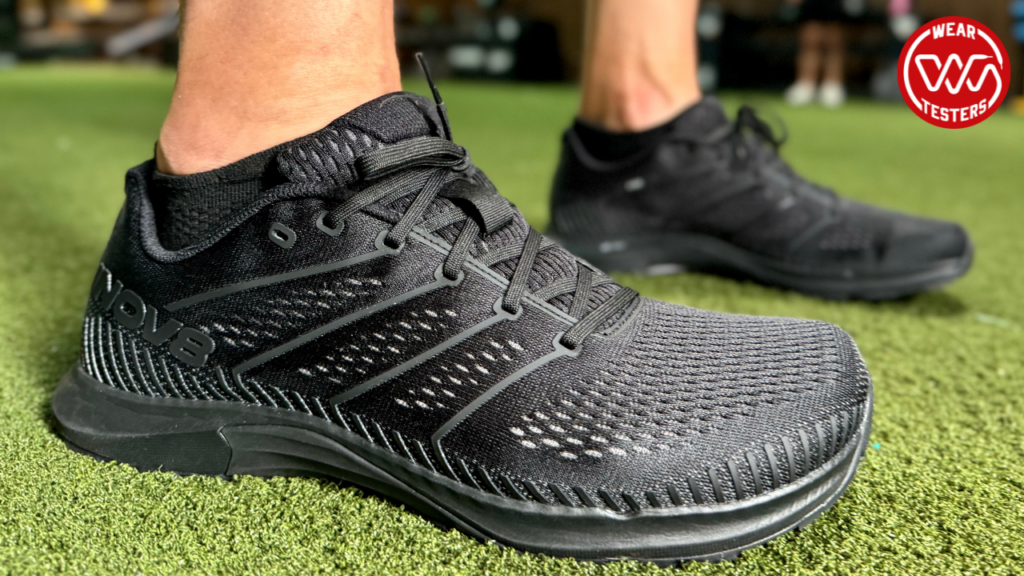
Best Cross Training Shoes: Finding the Perfect Pair for Your Workouts
Cross training shoes are essential for those who engage in a variety of workouts that involve different movements, such as weightlifting, running, jumping, and agility exercises. The right pair of cross training shoes can provide the support, stability, and versatility you need to perform at your best during each session.
Key Features to Look for in Cross Training Shoes:
- Support: Look for shoes with ample cushioning and arch support to protect your feet during high-impact activities.
- Stability: Opt for shoes with a firm heel counter and wide base to ensure stability during lateral movements and weightlifting.
- Versatility: Choose shoes that offer flexibility and traction for various types of workouts, from cardio to strength training.
- Durability: Select shoes made from durable materials that can withstand frequent use and intense workouts.
Top Picks for Cross Training Shoes:
- Nike Metcon 6: Known for its stability and durability, the Nike Metcon 6 is a popular choice among cross trainers. It offers excellent support for weightlifting and agility exercises.
- Reebok Nano X: The Reebok Nano X is praised for its versatility and comfort. It provides cushioning for running while maintaining stability for lifting weights.
- New Balance Minimus TR: Ideal for those who prefer a minimalist design, the New Balance Minimus TR offers a lightweight feel without compromising on support or durability.
When choosing cross training shoes, consider your specific workout needs and preferences to find the perfect pair that will help you achieve your fitness goals. Investing in quality cross training shoes is essential to enhance your performance and prevent injuries during your training sessions.
Essential FAQs on Choosing the Best Cross Training Shoes
- What are the key features to look for in cross training shoes?
- How important is support in cross training shoes?
- Which brands offer the best stability in cross training shoes?
- Are there specific features to consider for weightlifting in cross training shoes?
- What is the difference between running shoes and cross training shoes?
- Do cross training shoes provide enough cushioning for high-impact activities?
- Are there waterproof options available for cross training shoes?
- Can I use my cross training shoes for outdoor activities like hiking or trail running?
- How do I know if a pair of cross training shoes is durable enough to last through intense workouts?
What are the key features to look for in cross training shoes?
When searching for the best cross training shoes, it is crucial to consider several key features to ensure optimal performance and comfort during workouts. Firstly, look for shoes that offer adequate support through cushioning and arch support to protect your feet during high-impact activities. Secondly, prioritise stability by choosing shoes with a firm heel counter and a wide base to maintain balance during lateral movements and weightlifting exercises. Additionally, opt for versatile shoes that provide flexibility and traction across different workout types, from cardio to strength training. Lastly, durability is essential, so select shoes made from robust materials that can withstand frequent use and intense training sessions. By focusing on these key features, you can find the perfect pair of cross training shoes tailored to your specific fitness needs.
How important is support in cross training shoes?
Support is paramount when it comes to choosing the best cross training shoes. The level of support provided by your footwear can significantly impact your performance and reduce the risk of injury during diverse workout routines. Cross training involves a range of movements, from lateral jumps to heavy lifts, requiring shoes with adequate cushioning and stability to protect your feet and joints. Proper support in cross training shoes helps maintain proper alignment, absorb impact forces, and enhance overall comfort, allowing you to focus on your workouts with confidence and agility. Prioritising support in your choice of cross training shoes is essential for maximising your potential and maintaining optimal foot health throughout your fitness journey.
Which brands offer the best stability in cross training shoes?
When it comes to finding cross training shoes that offer the best stability, several brands stand out for their innovative designs and focus on support. Brands such as Nike, Reebok, and New Balance are known for incorporating features like firm heel counters, wide bases, and advanced cushioning technologies to enhance stability during lateral movements, weightlifting, and agility exercises. These brands have earned a reputation for producing high-quality cross training shoes that prioritise stability without compromising on comfort or performance. Whether you’re a seasoned athlete or a fitness enthusiast looking to elevate your workouts, choosing cross training shoes from these reputable brands can help you achieve optimal stability and support for your training sessions.
Are there specific features to consider for weightlifting in cross training shoes?
When searching for the best cross training shoes for weightlifting, there are specific features that you should consider to ensure optimal performance and safety. Look for shoes with a stable base and firm heel counter to provide the necessary support during heavy lifts. Additionally, adequate cushioning in the midsole can help absorb impact and provide comfort during weightlifting sessions. A secure fit and durable construction are also essential to maintain stability and prevent injuries while lifting weights. By prioritising these features in your choice of cross training shoes, you can enhance your weightlifting performance and maximise your workout experience.
What is the difference between running shoes and cross training shoes?
When comparing running shoes to cross training shoes, it’s essential to understand their distinct purposes and designs. Running shoes are specifically engineered to provide cushioning and support for forward motion, making them ideal for activities that involve primarily linear movements like jogging or sprinting. On the other hand, cross training shoes are designed to offer a balance of stability, support, and versatility for a range of activities, including weightlifting, agility exercises, and cardio workouts. Cross training shoes typically feature more lateral support and durability to accommodate the diverse movements involved in cross training routines. Therefore, while running shoes excel in providing cushioning for running activities, cross training shoes are better suited for the multidirectional demands of various workouts.
Do cross training shoes provide enough cushioning for high-impact activities?
When it comes to the question of whether cross training shoes provide enough cushioning for high-impact activities, the answer lies in the design and construction of the specific shoe model. While cross training shoes are versatile and suitable for a range of exercises, including high-impact activities like jumping and running, not all models offer the same level of cushioning. It is essential to look for cross training shoes that feature ample cushioning in the midsole and heel areas to absorb shock and provide support during intense workouts. By selecting a pair of cross training shoes with sufficient cushioning, you can ensure comfort and protection for your feet while engaging in high-impact exercises.
Are there waterproof options available for cross training shoes?
When it comes to cross training shoes, waterproof options are not typically common due to the nature of the materials used in their construction. Cross training shoes are designed to provide breathability and flexibility, which may be compromised by adding waterproofing features. However, some brands offer water-resistant treatments on certain models that can provide a level of protection against light moisture and splashes. It’s important to consider your specific workout environment and needs when choosing cross training shoes, as waterproofing may not always be necessary for indoor gym workouts or dry outdoor activities.
Can I use my cross training shoes for outdoor activities like hiking or trail running?
When it comes to using cross training shoes for outdoor activities like hiking or trail running, it’s important to consider the specific features and design of your shoes. While cross training shoes are versatile and suitable for a range of workouts, they may not provide the necessary support and traction required for rugged terrains and uneven surfaces typically encountered during hiking or trail running. For these activities, specialised hiking or trail running shoes with features such as aggressive treads, waterproofing, and ankle support are recommended to ensure comfort, stability, and protection against potential injuries. It’s advisable to invest in the appropriate footwear designed specifically for outdoor adventures to enhance your performance and safety in challenging environments.
How do I know if a pair of cross training shoes is durable enough to last through intense workouts?
When determining the durability of a pair of cross training shoes for intense workouts, it is essential to consider several factors. Firstly, examine the quality of materials used in the construction of the shoes, such as reinforced stitching, durable outsoles, and supportive midsoles. Look for brands known for their durability and longevity in athletic footwear. Additionally, read reviews from other athletes who have tested the shoes during rigorous workouts to gauge their performance over time. A reliable indicator of durability is the warranty offered by the manufacturer, as it reflects their confidence in the product’s ability to withstand intense use. By carefully assessing these factors, you can ensure that your chosen pair of cross training shoes will endure through your most demanding training sessions.