
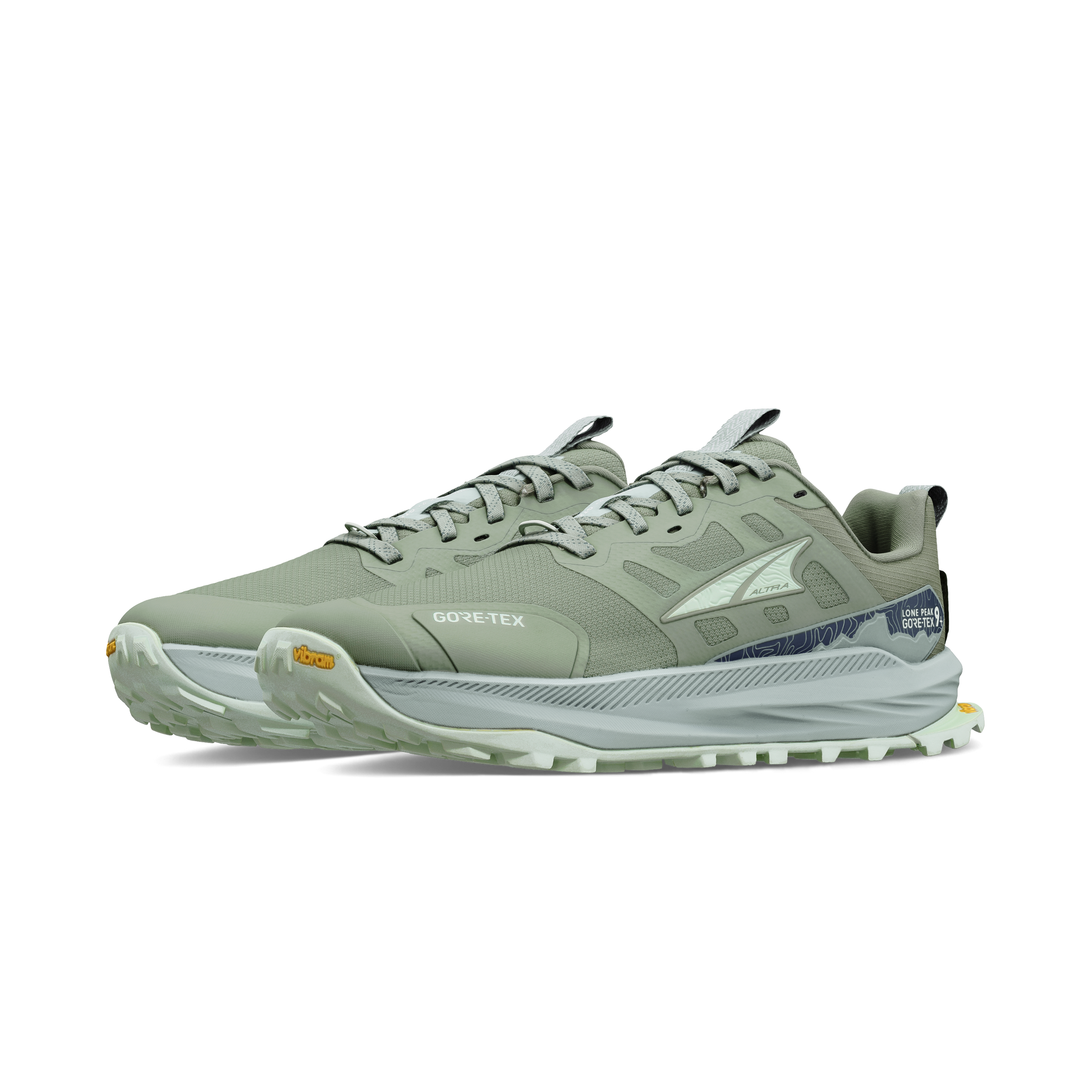
Exploring the World of Trail Running Shoes
Trail running shoes are a vital piece of gear for any outdoor enthusiast looking to conquer rugged terrains and challenging landscapes. These specialized shoes are designed to provide stability, traction, and protection on uneven trails, rocky paths, and muddy routes.
When it comes to choosing the right trail running shoes, there are several key factors to consider:
Grip and Traction
One of the most important features of trail running shoes is their grip. Look for outsoles with deep lugs that can provide traction on various surfaces, including wet rocks, loose gravel, and slippery mud.
Protection
Trail running shoes often come with reinforced toe caps and rock plates to shield your feet from sharp rocks, roots, and other obstacles you may encounter on the trail.
Stability and Support
Choose trail running shoes with a supportive midsole that offers cushioning and stability on uneven terrain. A secure fit and ankle support can also help prevent injuries during your trail runs.
Breathability
Opt for trail running shoes made from breathable materials that can keep your feet cool and dry, even in hot and humid conditions. Proper ventilation is essential for comfort during long runs.
Durability
Since trail running can be tough on your shoes, look for durable materials that can withstand the rigours of off-road running. Reinforced stitching and abrasion-resistant overlays can extend the lifespan of your trail shoes.
Whether you’re a seasoned trail runner or just starting out, investing in a pair of high-quality trail running shoes can enhance your outdoor experience and take your adventures to new heights.
Essential Tips for Choosing the Perfect Trail Running Shoes
- Choose trail running shoes with good grip to prevent slipping on uneven terrain.
- Look for shoes with a protective toe cap to shield your toes from rocks and roots.
- Consider the level of cushioning you need based on the type of trails you’ll be running on.
- Ensure a snug fit to avoid blisters and discomfort during long runs.
- Opt for breathable materials to keep your feet cool and dry during intense workouts.
- Check for water resistance if you’ll be running in wet or muddy conditions.
- Inspect the lacing system to ensure it’s secure and won’t come undone while running.
- Rotate between multiple pairs of trail running shoes to extend their lifespan.
Choose trail running shoes with good grip to prevent slipping on uneven terrain.
When selecting trail running shoes, prioritise those with excellent grip to minimise the risk of slipping on uneven surfaces. Opting for shoes with robust outsoles featuring deep lugs can significantly enhance traction, providing you with stability and confidence as you navigate challenging terrains. A reliable grip not only enhances your performance but also reduces the likelihood of injuries, allowing you to fully enjoy your trail running adventures with peace of mind.
Look for shoes with a protective toe cap to shield your toes from rocks and roots.
When selecting trail running shoes, it is advisable to opt for models that feature a protective toe cap. This essential component serves as a shield, safeguarding your toes from potential hazards such as rocks and roots that you may encounter on rugged terrains. By prioritising shoes with a durable toe cap, you can enhance both the safety and comfort of your trail running experience, allowing you to focus on conquering challenging landscapes with confidence.
Consider the level of cushioning you need based on the type of trails you’ll be running on.
When selecting trail running shoes, it is essential to consider the level of cushioning based on the type of trails you plan to conquer. For rugged and rocky terrains, opt for shoes with ample cushioning to absorb impact and provide comfort over uneven surfaces. On the other hand, if you’ll be tackling smoother trails with minimal obstacles, lighter cushioning may suffice to maintain agility and responsiveness. Tailoring the cushioning of your trail running shoes to the specific demands of your running environment can significantly enhance your performance and overall trail running experience.
Ensure a snug fit to avoid blisters and discomfort during long runs.
Ensuring a snug fit when selecting trail running shoes is crucial to prevent blisters and discomfort, especially during long runs. A properly fitting shoe will provide the necessary support and stability, reducing the risk of friction that can lead to painful blisters. By choosing a shoe that fits snugly but comfortably, runners can enjoy their trail adventures without the distraction of foot pain, allowing them to focus on the thrill of exploring rugged terrains and challenging landscapes.
Opt for breathable materials to keep your feet cool and dry during intense workouts.
When selecting trail running shoes, it is advisable to opt for designs crafted from breathable materials to ensure optimal comfort and performance during vigorous workouts. Choosing shoes with breathable fabrics helps to regulate foot temperature, prevent moisture build-up, and keep your feet cool and dry even during the most intense trail running sessions. This feature not only enhances overall comfort but also reduces the risk of discomfort or blisters, allowing you to focus on conquering challenging terrains with ease.
Check for water resistance if you’ll be running in wet or muddy conditions.
When selecting trail running shoes, it is essential to consider the level of water resistance, especially if you anticipate running in wet or muddy conditions. Opting for trail shoes with water-resistant features can help keep your feet dry and comfortable during challenging runs on damp terrains. This added protection not only enhances your overall running experience but also minimizes the risk of discomfort or blisters caused by wet feet. Prioritizing water resistance in your trail running shoe choice ensures that you can tackle various weather conditions with confidence and focus on enjoying the beauty of nature without any distractions.
Inspect the lacing system to ensure it’s secure and won’t come undone while running.
When selecting trail running shoes, it is crucial to inspect the lacing system to guarantee its security and reliability during your runs. A secure lacing system not only ensures a comfortable fit but also prevents the shoes from coming undone while navigating challenging terrains. By checking and adjusting the laces before hitting the trails, you can maintain a snug and supportive fit that will enhance your performance and prevent any distractions or discomfort along the way.
Rotate between multiple pairs of trail running shoes to extend their lifespan.
Rotating between multiple pairs of trail running shoes is a smart tip to prolong their lifespan and ensure optimal performance. By alternating between different pairs, you allow each shoe to rest and recover between runs, reducing wear and tear on specific areas. This practice can also help prevent the development of imbalances or discomfort caused by repetitive use of the same shoe. Additionally, rotating between shoes with varying features can provide your feet with different levels of support, cushioning, and traction based on the terrain and conditions you encounter during your trail runs. Ultimately, this simple strategy can help you get more miles out of your trail running shoes while maintaining their functionality and comfort for longer.