
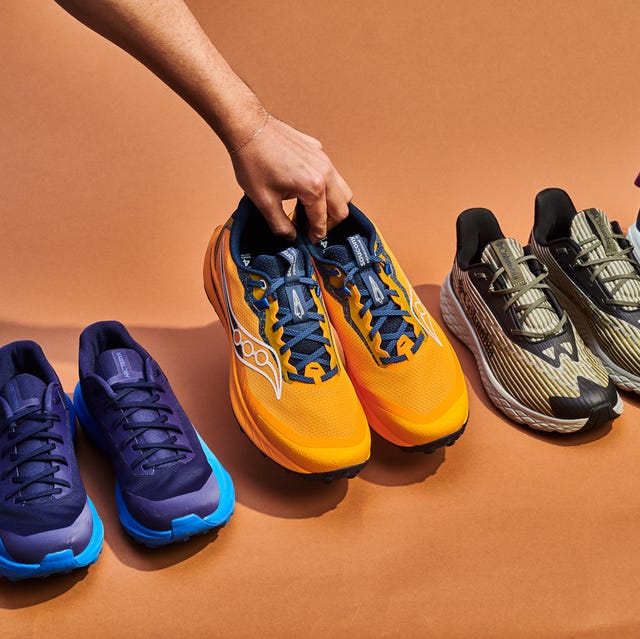
The Ultimate Guide to Jogging Shoes
Jogging is a popular form of exercise that offers numerous health benefits, from improving cardiovascular fitness to boosting mental well-being. One essential component of a successful jogging routine is having the right pair of shoes. Choosing the perfect jogging shoes can make a significant difference in your comfort, performance, and overall enjoyment of the activity.
Key Features to Look for in Jogging Shoes:
- Cushioning: Look for shoes with adequate cushioning to absorb impact and protect your joints during each stride.
- Support: Opt for shoes that provide ample support for your arches and ankles to prevent injuries and improve stability.
- Fit: Ensure that your jogging shoes fit comfortably with enough room for your toes to wiggle without being too loose.
- Breathability: Choose shoes made from breathable materials to keep your feet cool and dry throughout your run.
- Traction: Select shoes with good traction to help prevent slips and falls, especially when running on uneven or slippery surfaces.
Tips for Finding the Right Jogging Shoes:
When shopping for jogging shoes, consider visiting a specialised sports store where knowledgeable staff can assist you in finding the perfect fit. It’s also advisable to try on several pairs and test them by walking or jogging around the store to ensure they feel comfortable and supportive.
Caring for Your Jogging Shoes:
To prolong the lifespan of your jogging shoes, it’s essential to maintain them properly. Avoid wearing them for activities other than jogging, as this can cause unnecessary wear and tear. Additionally, regularly clean your shoes by removing dirt and debris with a soft brush or cloth and allowing them to air dry away from direct heat sources.
In Conclusion
Investing in a high-quality pair of jogging shoes is crucial for anyone looking to enhance their running experience. By prioritising features such as cushioning, support, fit, breathability, and traction, you can find the perfect pair that meets your needs and helps you achieve your fitness goals with comfort and style.
Essential FAQs About Jogging Shoes: Choosing the Right Fit, Types, and Potential Risks
- What shoes is good for jogging?
- Which shoes are best for jogging?
- What running shoes are best for extensor tendonitis?
- What are the 3 types of running shoes?
- Are jogging shoes good for walking?
- Can running shoes give shin splints?
What shoes is good for jogging?
When it comes to choosing the ideal shoes for jogging, prioritising comfort, support, and fit is key. Look for jogging shoes that offer ample cushioning to absorb impact and protect your joints during each stride. Opt for a pair that provides good arch support and ankle stability to prevent injuries and enhance your overall performance. It’s also important to select shoes that fit well, with enough room for your toes to move comfortably without being too loose. Breathable materials and good traction are additional features to consider when determining which shoes are best suited for your jogging routine. By focusing on these key factors, you can find the perfect pair of jogging shoes that will keep you comfortable and supported on every run.
Which shoes are best for jogging?
When it comes to selecting the best shoes for jogging, prioritising comfort, support, and fit is key. Look for jogging shoes that offer ample cushioning to absorb impact and protect your joints during each stride. Opt for a pair that provides adequate support for your arches and ankles to prevent injuries and enhance stability. It’s also essential to choose shoes that fit comfortably with enough room for your toes to move freely without being too loose. By considering these factors and selecting shoes with good traction and breathability, you can find the ideal pair that caters to your specific jogging needs and enhances your overall running experience.
What running shoes are best for extensor tendonitis?
When dealing with extensor tendonitis, it is crucial to choose running shoes that provide excellent support and cushioning to alleviate pressure on the affected tendons. Opting for shoes with a well-cushioned midsole and ample arch support can help reduce strain on the extensor tendons, promoting a more comfortable running experience. Look for running shoes specifically designed for stability and motion control to aid in proper foot alignment and reduce the risk of exacerbating the condition. Additionally, consider consulting with a healthcare professional or a podiatrist to receive personalised recommendations tailored to your specific needs and condition severity.
What are the 3 types of running shoes?
When it comes to running shoes, there are generally three main types to consider: neutral running shoes, stability running shoes, and motion control running shoes. Neutral running shoes are designed for runners with a neutral gait and provide cushioning and flexibility without any additional support features. Stability running shoes are ideal for runners who overpronate, offering added support to help prevent excessive inward rolling of the foot. Motion control running shoes are tailored for severe overpronators, featuring reinforced support structures to promote stability and alignment during each stride. Understanding the differences between these three types of running shoes can help you choose the best option based on your individual needs and running style.
Are jogging shoes good for walking?
Jogging shoes are often suitable for walking due to their cushioning, support, and comfort features designed to absorb impact and provide stability. While jogging shoes are specifically engineered for the higher impact of running, many models offer the necessary support and cushioning needed for walking activities as well. However, it is essential to consider factors such as fit and comfort when using jogging shoes for walking, as individual preferences and walking styles may vary. It is recommended to try on different pairs of jogging shoes to find the one that best suits your walking needs and provides optimal comfort and support.
Can running shoes give shin splints?
Shin splints, a common issue among runners, can be influenced by various factors, including running shoes. Ill-fitting or worn-out running shoes lacking proper cushioning and support may contribute to the development of shin splints. Shoes that do not provide adequate shock absorption or fail to support the arches and ankles can increase the strain on the shins during running, potentially leading to discomfort and injury. Therefore, choosing well-fitting running shoes with sufficient cushioning and support tailored to your foot mechanics is essential in reducing the risk of developing shin splints and ensuring a comfortable and injury-free running experience.