
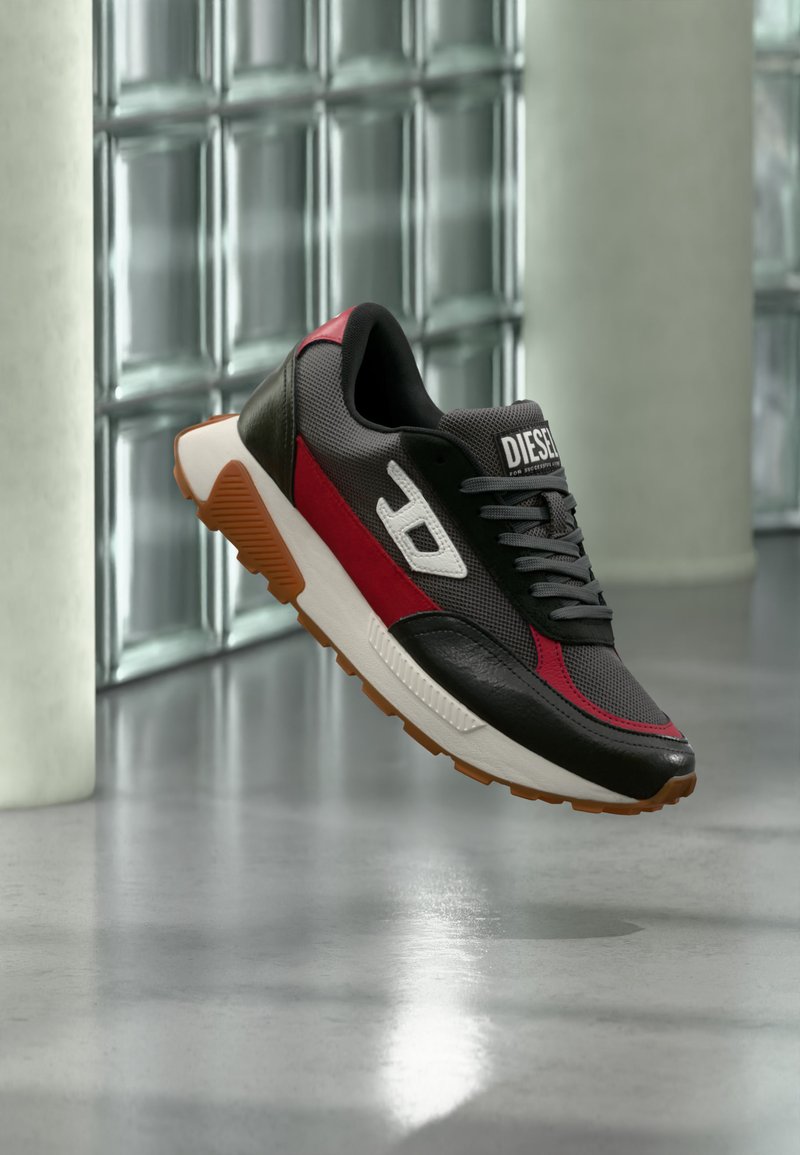
Diesel Shoes: A Guide to the Brand’s Bold Footwear
Diesel shoes are known for their distinctive blend of casual styling, contemporary design and confident attitude. The Italian fashion brand has built its reputation on pieces that stand out, and its footwear is no exception. From everyday trainers to statement-making boots, Diesel shoes offer options for people who want their footwear to bring personality to an outfit.
A distinctive design style
Diesel footwear often features bold shapes, prominent branding and eye-catching details. Depending on the design, you might find chunky soles, contrasting panels, textured materials or oversized logos. Some styles are understated enough for regular wear, while others are designed to become the focal point of a look.
The range can include trainers, high-tops, sandals, slides and boots. This variety makes it possible to find a pair for different seasons and occasions, whether you are heading out for the day or putting together a more expressive outfit.
Choosing the right pair
Think about how you plan to wear your shoes before choosing a style. A versatile trainer in a neutral colour can work well with jeans, casual trousers and everyday outfits. A more colourful or heavily branded design can add contrast to a simple look. Boots and high-tops may suit cooler weather, while sandals and slides are practical choices for warmer days and relaxed settings.
Comfort and fit matter just as much as appearance. Check the product’s sizing information, consider the shape of the shoe and leave enough room for your toes. If you are shopping online, review the retailer’s size guide and returns policy before placing an order.
How to style Diesel shoes
For an easy everyday outfit, pair Diesel trainers with denim and a T-shirt or sweatshirt. If the shoes have bold colours or prominent details, keep the rest of the outfit simple to let them stand out. Alternatively, coordinate one colour from the footwear with another item, such as a jacket or accessory, for a more considered look.
Chunkier styles can balance relaxed or oversized clothing, while sleeker designs can work with a cleaner, more streamlined outfit. There is no single way to wear them: the appeal of Diesel shoes often lies in their ability to bring a distinctive edge to personal style.
Looking after your shoes
Care instructions vary according to the materials used, so check the label or product information first. In general, remove surface dirt with a soft brush or cloth and use a suitable cleaner for the material. Avoid soaking footwear unless the care guidance says it is safe, and allow shoes to dry naturally away from direct heat. Storing them in a cool, dry place can also help keep them in good condition.
Buying with confidence
When buying Diesel shoes, use a reputable retailer and read the product description carefully. Check the sizing, materials, delivery details and returns terms, particularly when shopping online. Comparing photographs and product information can help you choose a style that suits your needs and gives you confidence in your purchase.
Find a style that feels like you
Diesel shoes combine practical footwear with a bold fashion sensibility. Whether you prefer a straightforward everyday trainer or a more striking design, the key is to choose a pair that feels comfortable and works with the way you dress. With the right fit and a little care, they can become a distinctive part of your wardrobe.
7 Tips for Choosing, Styling and Caring for Diesel Shoes
- Check Diesel’s size guide before ordering.
- Try them on with your usual socks.
- Break in leather pairs gradually.
- Use a soft brush to remove dirt.
- Avoid soaking them in water.
- Pair chunky styles with simple outfits.
- Check care labels before cleaning.
Check Diesel’s size guide before ordering.
Before ordering Diesel shoes, check the brand’s size guide and compare its measurements with a pair that fits you well. Sizing can vary between styles, so reviewing the specific product details can help you choose a comfortable fit and reduce the chance of needing a return.
Try them on with your usual socks.
Try Diesel shoes on with the socks you usually wear, as their thickness can affect the fit and feel. This helps you check that there’s enough room around your toes and that the heel feels secure, so you can choose a comfortable size for everyday wear.
Break in leather pairs gradually.
Break in leather Diesel shoes gradually to help them mould to your feet without causing discomfort. Start by wearing them indoors for short periods, then increase the time as the leather softens. If they feel tight, avoid forcing them or wearing them for a full day straight away; thick socks can provide a little cushioning, while a leather conditioner may help keep the material supple.
Use a soft brush to remove dirt.
Use a soft brush to gently remove loose dirt and dust from your Diesel shoes, paying extra attention to seams and textured areas. Brush lightly to avoid scratching or damaging the material, and check the care instructions before using any cleaning products.
Avoid soaking them in water.
Avoid soaking Diesel shoes in water, as excessive moisture can damage the materials, weaken adhesives or affect their shape. Instead, remove dirt with a soft, slightly damp cloth and a cleaner suitable for the shoe’s material. Let them air-dry naturally, away from radiators and direct heat, which can cause further damage.
Pair chunky styles with simple outfits.
Pair chunky Diesel shoes with simple outfits to let their bold shape take centre stage. Try them with straight-leg jeans and a plain T-shirt, or wear them with relaxed trousers and a neutral jumper. Keeping colours and details understated creates balance, while still giving your footwear room to add character to the look.
Check care labels before cleaning.
Check the care label before cleaning your Diesel shoes, as different materials need different treatment. Leather, suede, fabric and synthetic finishes may each require specific products or methods, and using the wrong cleaner could cause staining or damage. Always follow the manufacturer’s guidance and, if you’re unsure, test a suitable cleaner on a small, inconspicuous area first.