
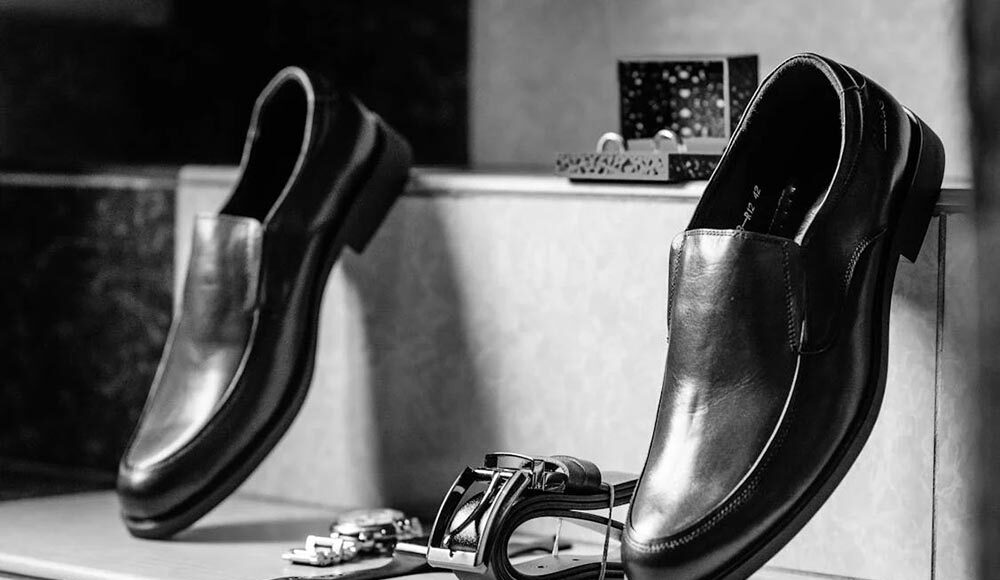
Elevator Shoes: A Practical Guide to Height-Increasing Footwear
Elevator shoes are designed to add height discreetly through a raised insole built into the shoe. From the outside, they often look like ordinary trainers, boots or formal shoes, while the extra height is concealed inside. For people who want a little more height without wearing visibly raised footwear, they can be an appealing option.
How do elevator shoes work?
Unlike shoes with a thick external platform or high heel, elevator shoes use an angled insole or internal lift to raise the heel. The amount of added height varies by design. Some styles provide a modest lift, while others offer a more noticeable increase.
The lift is usually integrated into the shoe rather than added as a separate insert. This can create a more streamlined appearance, although the fit and feel will differ from one pair to another.
Why do people wear elevator shoes?
There are many reasons someone might choose elevator shoes. Some people like the change in silhouette they create, while others simply enjoy trying a different style. They are available for a range of occasions, including everyday wear, work and formal events.
Modern designs come in a variety of shapes and materials. Depending on the brand and style, shoppers may find leather dress shoes, casual trainers, boots and smart-casual options.
Choosing the right pair
Comfort and fit should come first. Because the internal lift changes the angle of the foot, a shoe that feels comfortable in a standard style may not feel the same with a raised insole. Consider these points when shopping:
- Check the height increase: Choose a lift that feels natural for your intended use. A smaller increase may be easier to wear for longer periods.
- Look for a secure fit: Your heel should feel supported, and your toes should have enough room. Avoid relying on a tight fit to keep the foot in place.
- Consider the occasion: Trainers may suit everyday outfits, while leather shoes or boots can work well for smarter settings.
- Review the materials: Breathable linings and flexible uppers can make a difference to comfort, especially if you plan to wear the shoes for several hours.
- Read the sizing guidance: Sizing can vary between manufacturers, so check the brand’s measurements and exchange policy before ordering.
Getting used to elevator shoes
If you have not worn shoes with an internal lift before, start by wearing them for short periods. This gives you time to get used to the altered feel and balance. Make sure the shoes are comfortable when standing and walking, not just when trying them on briefly.
Stop wearing a pair if it causes persistent discomfort. If you have concerns about how a particular shoe may affect your feet, consider seeking advice from a qualified health professional.
Elevator shoes and personal style
Elevator shoes work best when they suit both your wardrobe and your routine. Neutral colours and classic shapes are versatile, while distinctive materials or details can make a stronger style statement. As with any footwear, the right choice is the one that feels comfortable and fits the occasion.
Are elevator shoes right for you?
Elevator shoes offer a discreet way to add height, with styles available for casual and formal wear. The best pair should feel secure, suit your needs and provide a comfortable fit. Taking time to compare designs, check sizing and try them gradually can help you decide whether they belong in your footwear collection.
6 Tips for Choosing and Wearing Elevator Shoes Comfortably
- Choose a height boost that feels comfortable.
- Check the fit with your usual socks.
- Allow time to get used to walking in them.
- Look for cushioned insoles and good grip.
- Choose a style that suits your outfit.
- Replace them if the lift feels unstable.
Choose a height boost that feels comfortable.
Choose a height boost that feels comfortable and natural for you. A more modest lift may be easier to wear throughout the day, while a larger one can take time to get used to and may affect the way the shoes feel when walking. If you’re new to elevator shoes, try a smaller increase first and wear them for short periods to see how they feel.
Check the fit with your usual socks.
Try elevator shoes on with the socks you normally wear, as their thickness can affect how the shoes fit and feel. The right fit should hold your heel securely without squeezing your toes or creating uncomfortable pressure across your foot.
Allow time to get used to walking in them.
Allow yourself time to get used to walking in elevator shoes, as the raised insole can change how your feet feel and how you balance. Start by wearing them for short periods in familiar surroundings, then gradually increase the time as they become more comfortable. If they cause persistent discomfort or feel unstable, stop wearing them and check that the fit is right.
Look for cushioned insoles and good grip.
Look for elevator shoes with cushioned insoles and a grippy outsole to make them more comfortable and stable throughout the day. Extra cushioning can help soften each step, while good tread provides better traction on different surfaces. Check that the insole supports your foot comfortably and that the sole feels secure underfoot before choosing a pair.
Choose a style that suits your outfit.
Choose an elevator shoe style that complements your outfit and the occasion. Sleek leather designs pair well with suits and smart trousers, while trainers or casual boots work better with jeans and relaxed clothing. Matching the shoe’s colour and finish to the rest of your look helps the added height feel like a natural part of your style.
Replace them if the lift feels unstable.
Replace your elevator shoes if the internal lift starts to feel unstable, uneven or loose. A secure lift helps the shoe feel balanced and comfortable, while a worn or shifting insert may affect your footing. Stop wearing the pair if it moves underfoot, and check whether it can be safely repaired or needs replacing.