
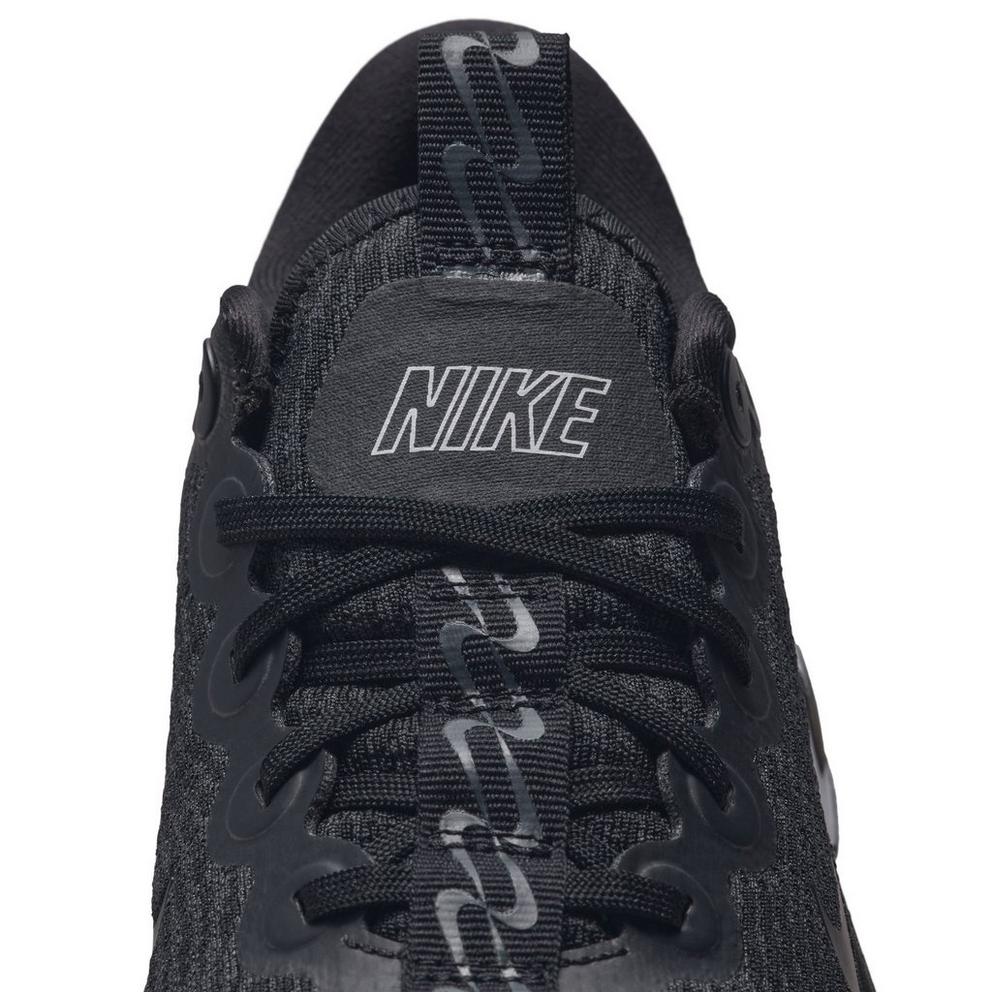
Nike Walking Shoes: Comfort, Fit and Choosing the Right Pair
Whether you’re commuting, exploring a new city or heading out for a daily walk, comfortable footwear can make a real difference. Nike walking shoes combine the brand’s sportswear design with features intended to support everyday movement. The right pair for you will depend on where you walk, how far you go and what feels comfortable on your feet.
What to look for in walking shoes
Walking shoes should feel comfortable from the start, with enough room for your toes and a secure fit around the heel. When comparing Nike styles, consider the following:
- Cushioning: Soft, responsive cushioning can make long walks feel more comfortable. The amount and feel vary between models.
- Fit: Your feet may swell slightly during the day, so try shoes on later in the afternoon if possible. Check that your toes can move freely and that your heel does not slip.
- Weight: A lighter shoe may feel easier to wear over longer distances, while a more substantial design may suit those who prefer a firmer feel.
- Grip: Look at the outsole pattern and consider the surfaces you use most, such as pavements, paths or indoor floors.
- Breathability: Mesh or other breathable uppers may help keep feet comfortable, particularly in warmer weather.
Choosing a Nike style
Nike offers a wide range of sports and lifestyle footwear, but not every trainer is designed specifically for walking. Some running shoes can work well for everyday walks, depending on their fit and cushioning, while casual styles may be better suited to shorter outings and daily wear. Check the product description for intended use, and try shoes on before committing whenever you can.
If you plan to walk regularly or cover longer distances, prioritise comfort and a secure fit over appearance alone. For occasional walks or everyday errands, you might prefer a versatile design that works with your usual clothes. In either case, the best choice is the pair that feels comfortable on your feet.
How to get the right fit
Try shoes on with the socks you expect to wear. Walk around in them and pay attention to any rubbing, pressure or movement inside the shoe. A small amount of space at the front is useful, but your foot should not slide about. If one foot is larger than the other, fit the larger foot first.
Comfort can also change over time as shoes wear down. Check the outsole and cushioning periodically, especially if you use your shoes often. Replace them when they no longer feel supportive or show significant wear.
Care and everyday wear
To keep your Nike shoes looking their best, brush off loose dirt and follow the care instructions for the particular material. Avoid assuming that a shoe is waterproof unless the product details say so. Allow damp shoes to dry naturally, away from direct heat, and consider keeping a separate pair for particularly muddy or wet walks.
Finding your ideal pair
Nike walking shoes come in different shapes, materials and cushioning styles, so there is no single option that suits everyone. Think about your usual routes, how long you walk and what kind of fit you prefer. Comparing product details and trying on a few pairs can help you find comfortable footwear for everyday miles.
8 Tips for Choosing and Wearing Nike Walking Shoes
- Choose a Nike model designed for walking or all-day comfort.
- Try shoes on later in the day, when feet may be slightly larger.
- Wear the socks you plan to walk in when checking the fit.
- Leave a thumb’s width of space in front of your toes.
- Check that the heel feels secure without rubbing.
- Pick cushioning that feels comfortable on your usual routes.
- Break in new shoes with short walks before longer outings.
- Replace shoes when the tread wears down or support feels reduced.
Choose a Nike model designed for walking or all-day comfort.
Choose a Nike model designed for walking or all-day comfort, especially if you spend long periods on your feet. Look for cushioning that feels supportive without being too soft, a breathable upper and a secure fit that leaves your toes room to move. As comfort varies from one style to another, try the shoes on and walk around before buying, if possible.
Try shoes on later in the day, when feet may be slightly larger.
Try on Nike walking shoes later in the day, when your feet may be slightly larger after hours of standing and walking. This can help you judge the fit more accurately and avoid choosing a pair that feels too tight during everyday wear. Wear the socks you’d normally use, and check that your toes have room to move while your heel feels secure.
Wear the socks you plan to walk in when checking the fit.
When trying on Nike walking shoes, wear the socks you plan to use for walking. Sock thickness can affect how snug the shoes feel, so checking the fit with your usual pair gives a more accurate idea of comfort. Make sure your toes have room to move and your heel feels secure, without rubbing or slipping as you walk.
Leave a thumb’s width of space in front of your toes.
When trying on Nike walking shoes, leave roughly a thumb’s width of space between your longest toe and the front of the shoe. This gives your toes room to move and helps accommodate the slight swelling that can happen during a walk. Make sure the fit still feels secure around your heel and midfoot, with no slipping or rubbing.
Check that the heel feels secure without rubbing.
When trying on Nike walking shoes, check that your heel feels held securely in place as you walk, without lifting or slipping. The fit should feel snug but not tight, and the back of the shoe should not rub against your skin. If you notice friction or discomfort in the shop, the shoes may cause irritation on longer walks.
Pick cushioning that feels comfortable on your usual routes.
Choose cushioning that feels comfortable on the routes you walk most often. Softer cushioning may feel pleasant on long pavement walks, while a firmer feel can offer a more stable sensation on smoother paths. Try on the shoes and walk around in them if possible, as comfort is personal and can vary between Nike styles.
Break in new shoes with short walks before longer outings.
Break in new Nike walking shoes with a few short, easy walks before wearing them for longer outings. This gives your feet time to adjust to the fit and feel, and helps you spot any rubbing or pressure points early. If discomfort persists, check the fit before increasing your distance.
Replace shoes when the tread wears down or support feels reduced.
Replace your Nike walking shoes when the tread becomes noticeably worn or the shoes feel less supportive than before. Worn tread can reduce grip, while compressed cushioning may make walks feel less comfortable. Check the soles regularly and pay attention to changes in fit or support; if the shoes no longer feel secure and comfortable, it may be time for a new pair.