
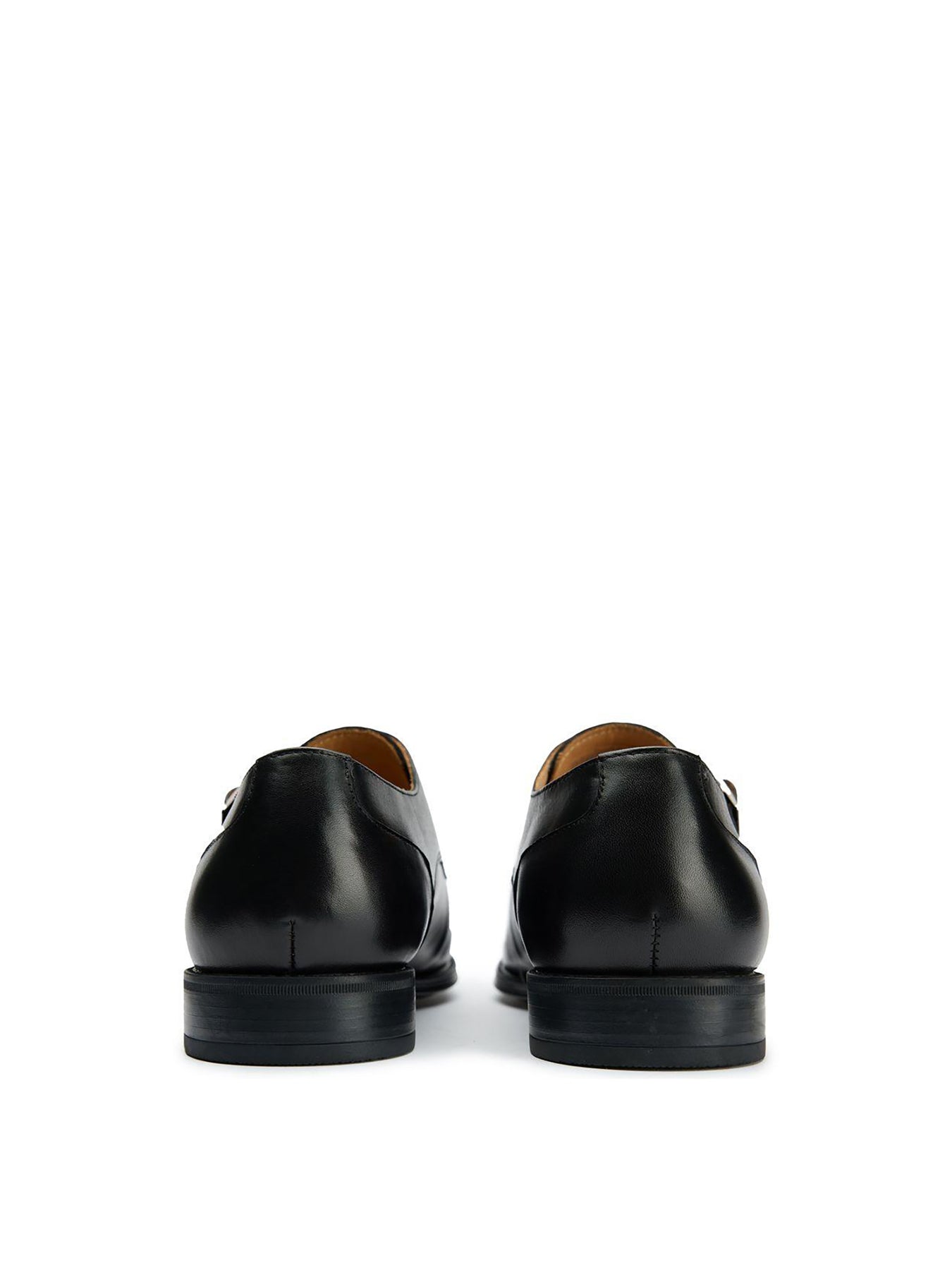
Monk Shoes: A Guide to This Timeless Classic
Monk shoes are a distinctive style of leather footwear, recognised by their strap and buckle fastening in place of laces. Smart, versatile and full of character, they sit somewhere between the formality of an Oxford and the more relaxed feel of a loafer. Whether worn with a suit or dressed down with tailored separates, monk shoes can add a polished finishing touch to an outfit.
What are monk shoes?
A traditional monk shoe has a closed leather upper and one or more straps secured with buckles across the front. The design is often associated with footwear worn by European monks, although the modern dress shoe has developed well beyond its practical roots.
There are two main styles:
- Single monk straps have one strap and buckle. Their clean, simple shape makes them an adaptable choice for work and formal occasions.
- Double monk straps have two straps and buckles. They make a bolder statement and are often chosen as a stylish alternative to lace-up dress shoes.
Monk shoes are also available in different toe shapes, including rounded, almond and softly squared designs. Some have a plain, unadorned vamp, while others feature brogue detailing or decorative stitching.
How formal are monk shoes?
The formality of monk shoes depends on their design, colour and finish. A sleek, black leather pair with minimal detailing can work well with a business suit or smart eveningwear. Brown styles tend to feel a little more relaxed and pair easily with navy, grey and earth-toned tailoring.
Double monk shoes are often more eye-catching than single monk styles, so they can bring personality to a simple outfit. For the most conservative dress codes, a classic Oxford may be the safer option; for occasions that allow a little more individual style, monk shoes are an excellent alternative.
What to wear with monk shoes
For a smart look, wear black or dark brown monk shoes with a well-fitted suit. Keep the trousers neatly hemmed so the straps remain visible, and choose socks that complement your trousers or add a subtle contrast.
For business-casual outfits, try brown or tan monk shoes with chinos, a shirt and an unstructured blazer. Suede versions can make the style feel more relaxed, while still looking considered. Monk shoes can also work with dark jeans, provided the denim is clean and well-fitted and the rest of the outfit is smart-casual.
As a general guide, match the tone of your shoes to the occasion: darker, smoother leather usually looks more formal, while lighter colours, suede and decorative details give a more casual impression.
Choosing a comfortable pair
A good fit matters as much as appearance. Monk shoes should feel secure around the heel and instep without pinching or pressing uncomfortably. The straps allow some adjustment, but they should not need to be fastened so tightly that they dig into the foot. As with any leather shoe, allow for a short break-in period, but do not rely on painful shoes becoming comfortable over time.
Consider the shape of the last—the form around which the shoe is made—as well as the width and toe shape. If possible, try shoes on later in the day, when feet may be slightly larger, and wear the type of socks you expect to use with them.
How to care for monk shoes
Regular care will help leather monk shoes keep their appearance. Brush away dust after wearing, use a suitable leather conditioner when needed and polish smooth leather with a product that matches the colour. Shoe trees can help maintain the shape and absorb moisture between wears.
Suede requires a different approach. Use a suede brush to lift the nap and remove dry dirt, and consider a protective spray designed for suede. Avoid applying ordinary polish to suede, and let wet shoes dry naturally away from direct heat.
A versatile addition to a wardrobe
With their distinctive buckle fastening and adaptable design, monk shoes offer a fresh alternative to conventional lace-ups. A simple single monk can serve as an everyday smart shoe, while a double monk makes a confident style statement. Choose a pair that fits well, suits your wardrobe and feels comfortable, and you will have a versatile option for work, events and smart-casual occasions.
8 Essential Tips for Perfectly Styling Monk Shoes
- Choose single or double monk straps to suit your style.
- Check the fit around the instep; straps offer limited adjustment.
- Leave the buckle slightly loose enough for comfortable movement.
- Pair dark brown monks with navy or grey tailoring.
- Wear black monks for a sharper, more formal look.
- Try suede monks for relaxed smart-casual outfits.
- Use shoe trees to help maintain their shape.
- Brush and condition the leather regularly.
Choose single or double monk straps to suit your style.
Choose single or double monk straps to suit your style and the occasion. A single strap has a clean, understated look that pairs easily with office wear and formal outfits, while a double strap feels bolder and adds extra character. Both can be worn with suits or smart-casual separates, so consider whether you prefer a subtle finish or a more distinctive statement.
Check the fit around the instep; straps offer limited adjustment.
Check the fit carefully around the instep, as monk shoes’ buckled straps offer only limited adjustment. They should feel secure without digging in or creating pressure across the top of your foot. If the fit is uncomfortable when you try them on, a different size or shoe shape may be a better choice.
Leave the buckle slightly loose enough for comfortable movement.
When fastening monk shoes, leave the buckle slightly loose to allow your foot to move comfortably as you walk. It should feel secure without digging in or restricting your instep; if the strap feels tight, try a looser adjustment rather than forcing it.
Pair dark brown monks with navy or grey tailoring.
Dark brown monk shoes pair beautifully with navy or grey tailoring, adding warmth and character while keeping the overall look polished. Choose a sleek leather finish for formal occasions, and let the trousers sit neatly above the shoes so the buckles remain visible. A matching brown belt can tie the outfit together.
Wear black monks for a sharper, more formal look.
Black monk shoes are a smart choice when you want a sharper, more formal look. Their polished finish pairs particularly well with dark suits and tailored trousers, making them suitable for business settings, special occasions and evening events. Choose a simple design with minimal detailing for a clean, refined finish.
Try suede monks for relaxed smart-casual outfits.
Suede monk shoes are an easy way to give a smart-casual outfit a more relaxed feel. Try pairing them with chinos, dark jeans or tailored trousers, along with a casual shirt or an unstructured blazer. Their soft texture adds interest without looking overly formal, making them a versatile choice for dinners, weekends and informal work settings. Choose a colour that complements your outfit, and brush the suede regularly to keep it looking its best.
Use shoe trees to help maintain their shape.
Use shoe trees to help monk shoes maintain their shape between wears. They can also absorb some of the moisture that builds up inside the shoes, helping the leather stay in better condition. Choose shoe trees that fit comfortably without stretching the leather, and insert them after wearing your shoes.
Brush and condition the leather regularly.
Brush your monk shoes regularly with a soft brush to remove dust and surface dirt, paying attention to the straps and around the buckles. Every so often, apply a small amount of leather conditioner to keep the leather supple and help prevent it from drying out or cracking. Use products suited to the shoe’s leather, and let them absorb fully before wearing or polishing your shoes.