
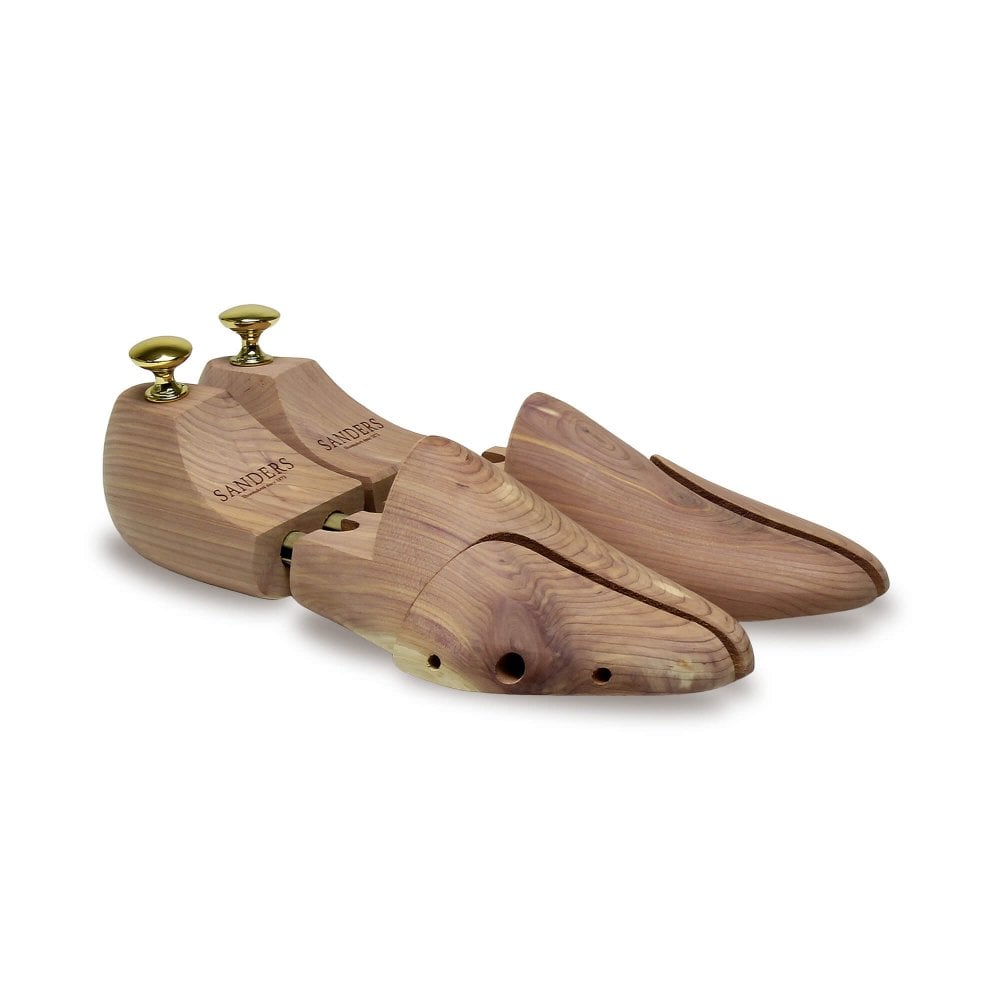
The Timeless Appeal of Wooden Shoes
Wooden shoes, also known as clogs, have a rich history that spans centuries and cultures. These traditional footwear pieces have not only stood the test of time but continue to captivate fashion enthusiasts and historians alike.
History and Origins
The origins of wooden shoes can be traced back to ancient times when people crafted footwear from available materials such as wood, leather, and straw. In various parts of the world, including Europe and Asia, wooden shoes became a practical choice for farmers, artisans, and everyday workers due to their durability and protection.
Design and Construction
Wooden shoes are typically made from a single piece of wood that is carved into the desired shape. The design often includes a rounded toe with a curved sole for comfort and stability. Some clogs feature intricate carvings or painted designs that showcase the craftsmanship and artistry of the maker.
Modern Interpretations
While wooden shoes have deep roots in tradition, they have also found their way into contemporary fashion trends. Designers around the world have reimagined clogs with modern materials, colours, and embellishments, making them a versatile choice for both casual and formal wear.
Cultural Significance
In many cultures, wooden shoes hold symbolic significance beyond their practical use. They are often worn during traditional ceremonies, festivals, or dances as a way to honour heritage and customs. The sound of wooden shoes clacking against the ground has become synonymous with certain cultural celebrations.
Sustainability and Eco-Friendly Appeal
Wooden shoes are celebrated for their eco-friendly qualities as they are made from natural materials that are biodegradable and renewable. Choosing wooden clogs over mass-produced synthetic footwear can be a conscious decision towards sustainable fashion practices.
Conclusion
Whether you appreciate the history behind wooden shoes or simply admire their unique aesthetic appeal, there is no denying the charm of these timeless footwear pieces. From rural farms to high-fashion runways, clogs continue to make their mark as a versatile accessory that bridges tradition with modernity.
Understanding Wooden Shoes: Origins, Craftsmanship, Comfort, and Cultural Importance
- What are wooden shoes?
- Where did wooden shoes originate from?
- How are wooden shoes made?
- Are wooden shoes comfortable to wear?
- What is the cultural significance of wooden shoes?
What are wooden shoes?
Wooden shoes, commonly known as clogs, are traditional footwear pieces crafted from a single piece of wood. These shoes have a distinctive design featuring a rounded toe and a curved sole for comfort and stability. Wooden shoes have been worn for centuries by farmers, artisans, and workers in various cultures around the world due to their durability and protective qualities. Today, wooden shoes continue to be appreciated for their timeless appeal and eco-friendly nature, making them a unique and versatile choice in both traditional and modern fashion contexts.
Where did wooden shoes originate from?
Wooden shoes, also known as clogs, have a fascinating origin that dates back to ancient times. The history of wooden shoes can be traced to various regions across the world, including Europe and Asia, where they served as practical footwear for farmers, artisans, and workers. The use of wood as a material for shoes was born out of necessity and resourcefulness, with early craftsmen carving single pieces of wood into sturdy and protective footwear. Over time, wooden shoes evolved into cultural symbols and fashion statements, showcasing the enduring appeal and versatility of this traditional footwear choice.
How are wooden shoes made?
Wooden shoes, also known as clogs, are traditionally crafted through a meticulous process that involves skilled artisans shaping a single piece of wood into a functional and comfortable footwear item. The production of wooden shoes begins with selecting the appropriate type of wood, such as willow, poplar, or birch, known for its durability and flexibility. The wood is then carefully carved and hollowed out to create the desired shape of the shoe, typically featuring a rounded toe and a curved sole for optimal comfort. Artisans may add intricate carvings or decorative elements to enhance the aesthetic appeal of the clogs. Once the shaping is complete, the wooden shoes are sanded, polished, and finished to ensure a smooth texture and a perfect fit. The craftsmanship involved in making wooden shoes highlights the dedication to preserving tradition and creating footwear that is both practical and timeless.
Are wooden shoes comfortable to wear?
One frequently asked question regarding wooden shoes is whether they are comfortable to wear. The comfort level of wooden shoes can vary depending on the individual’s preferences and the quality of craftsmanship. Traditional wooden clogs are known for their sturdy construction and arch support, making them suitable for long hours of standing or walking. However, some may find the hard material and lack of flexibility less comfortable compared to modern footwear options. With advancements in design and technology, contemporary interpretations of wooden shoes aim to enhance comfort without compromising the unique appeal of clogs, offering wearers a blend of tradition and comfort in a single shoe.
What is the cultural significance of wooden shoes?
The cultural significance of wooden shoes lies in their deep-rooted connection to tradition and heritage across various societies. In many cultures, wooden shoes symbolise craftsmanship, practicality, and identity. They are often worn during special ceremonies, festivals, or traditional dances as a way to honour ancestral customs and values. The distinct sound of wooden shoes clacking against the ground has become a hallmark of certain cultural celebrations, serving as a reminder of the past while also preserving a sense of community and pride. Embracing wooden shoes not only pays homage to the craftsmanship of the past but also fosters a sense of cultural continuity and appreciation for traditions that have withstood the test of time.